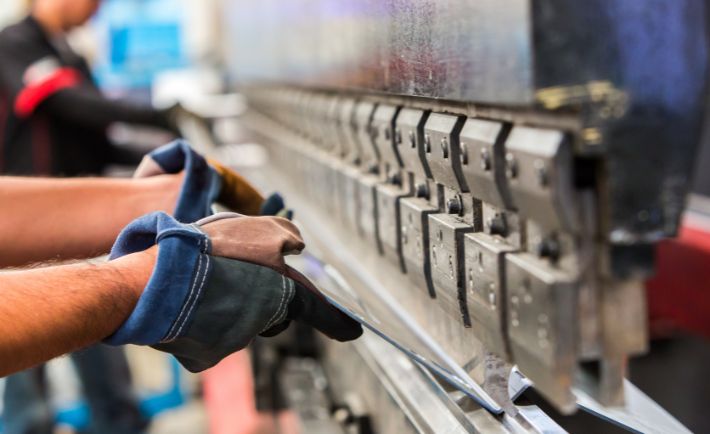
Metal fabrication is a complex process that requires precision, expertise, and attention to detail to deliver high-quality results. Whether you’re manufacturing equipment, constructing infrastructure, or creating custom components, even minor mistakes can lead to delays, increased costs, or compromised products. By understanding common metal fabrication mistakes and how to avoid them, fabricators can maintain efficiency and ensure customer satisfaction.
Mistakes During Metal Cutting
Metal cutting is a foundational aspect of fabrication, but errors in this stage can significantly affect the overall quality of the work. Common problems during cutting include inaccurate cuts, rough edges, or excessive heat generation, which can weaken the material or create finishing challenges.
To prevent cutting mishaps, ensure that the appropriate cutting method is selected based on the material and the desired result. For instance, laser or plasma cutting might be preferable for intricate patterns, while shearing is effective for simple cuts on thin sheets. Maintaining sharp cutting tools and adhering to recommended speeds and temperatures will also improve precision and reduce the risk of damaging materials.
Incorrect Measurements
One of the most common mistakes in metal fabrication is inaccurate measurements. Precision is the foundation of all fabrication projects, and even a slight deviation in measurement can cascade into larger issues down the line. Incorrect dimensions can result in materials not fitting together properly, which leads to wasted resources and additional labor costs to correct the errors.
To avoid this, fabricators should prioritize using reliable measuring tools and consistently double-checking calculations throughout the process. Employing digital measuring instruments reduces the chances of human error, as do regular equipment calibrations. Additionally, creating detailed blueprints and clearly communicating specifications within the team can align everyone involved and minimize potential discrepancies.
Poor Material Selection
Choosing the wrong type of metal for a project is another costly mistake. Each type of metal, whether it’s aluminum, stainless steel, or carbon steel, has unique properties that make it suitable for specific applications. Opting for an unsuitable material can lead to reduced structural integrity, poor performance under stress, or premature wear and tear.
Before starting a project, it’s crucial to evaluate the end-use requirements, environmental conditions, and mechanical stresses the material will endure. Working closely with engineers or clients to understand these factors ensures that the selected metal meets all necessary specifications. Using substandard or inappropriate material may save money initially but often results in higher long-term expenses due to replacements and repairs.
Insufficient Training and Lack of Skilled Labor
Metal fabrication requires a skilled workforce with deep knowledge of techniques such as welding, bending, cutting, and more. A lack of training or inexperienced labor can lead to low-quality work, safety hazards, or inefficient processes. Fabricators with inadequate skills might cause issues such as warped components, weak welds, or material wastage, all of which undermine the success of a project.
Investing in the professional development of employees is a key step toward avoiding these mistakes. Providing regular training on the latest tools, technologies, and fabrication techniques equips workers with the expertise they need to consistently deliver quality results. Assigning tasks according to skill level also ensures that complex operations are handled by the most qualified team members.
Issues with Welding Precision
Welding is a critical process in joining metal components, and sloppy welding can compromise the entire structure’s durability and safety. Problems such as inadequate fusion, excessive spatter, and improper weld bead placement often occur due to poor technique or incorrect welding parameters.
Addressing welding mistakes starts with choosing the correct type of welding for the project, whether it’s MIG, TIG, or stick welding. Proper calibration of welding equipment and consistent practice to refine techniques are essential for achieving precision. Monitoring the heat input and ensuring clean surfaces also contribute to the formation of strong, uniform welds. Conducting thorough inspections after welding helps identify errors early, allowing for timely corrections.
Mistakes when Deburring Metal
Deburring is a vital step in ensuring that fabricated pieces have smooth edges and are free of sharp burrs or imperfections. However, failing to properly deburr metal is a common mistake that not only affects the final product’s appearance but also its functionality and safety. Neglected burrs can lead to assembly issues, reduced material longevity, and even workplace injuries during handling.
To avoid these issues, it’s essential to include deburring as a standard part of the fabrication workflow. When it comes to the different types of deburring methods, it usually falls into either manual or machine deburring. Each method has its own advantages and drawbacks, so make sure you know the best one the employ given the circumstances. A thorough inspection after deburring ensures that all burrs and sharp edges are removed completely, leaving the product safe and polished.
Overlooking Surface Preparation
Surface preparation is often overlooked in metal fabrication, yet it plays a critical role in determining the quality of subsequent processes such as painting, coating, or welding. Failing to adequately prepare metal surfaces can lead to adhesion problems, corrosion, or contamination, compromising the product’s strength and longevity.
To avoid this mistake, fabricators must clean surfaces thoroughly before proceeding to the next step. This may involve removing oil, grease, or rust through methods like sandblasting, grinding, or chemical cleaning. Establishing a consistent surface preparation protocol helps avoid costly rework and enhances the durability and visual appeal of the final product.
Ignoring Safety Precautions
Metal fabrication involves various hazards, including high temperatures, sharp tools, and heavy machinery. Neglecting to follow proper safety procedures can lead to workplace accidents, injuries, or even fatalities. Beyond the human cost, unsafe practices can also result in legal liabilities and downtime, which disrupt productivity.
To ensure safety throughout the fabrication process, workers must wear appropriate personal protective equipment (PPE), such as gloves, goggles, and protective clothing. Regular maintenance of machinery and tools reduces the risk of mechanical failure, while clearly defined safety protocols keep the entire workspace hazard-free. Providing ongoing safety training helps employees remain vigilant and promotes a culture of accountability.
Lack of Quality Control

Poor-quality control is a mistake that can undermine even the most well-executed fabrication processes. Without rigorous inspections, defective products may go unnoticed until they reach the client, damaging your reputation and leading to costly recalls or repairs.
Implementing a robust quality control system solves this issue. Inspections should occur at multiple stages of the fabrication process, from initial measurements to the final assembly. Using advanced technologies like CMM (Coordinate Measuring Machines) or 3D scanning ensures precise evaluations and consistent results. By making quality assurance a top priority, fabricators can deliver products that meet or exceed expectations every time.
Improve Your Metal Fabrication Shop
Metal fabrication is a meticulous process that demands attention to detail and expertise. By understanding and addressing common mistakes, fabricators can produce high-quality products efficiently and safely. Maintaining a skilled workforce, following proper safety guidelines, and implementing effective quality control measures are additional ways to ensure success. Avoiding these pitfalls not only saves time and money but also builds a reputation for reliability and professionalism in the competitive world of fabrication.