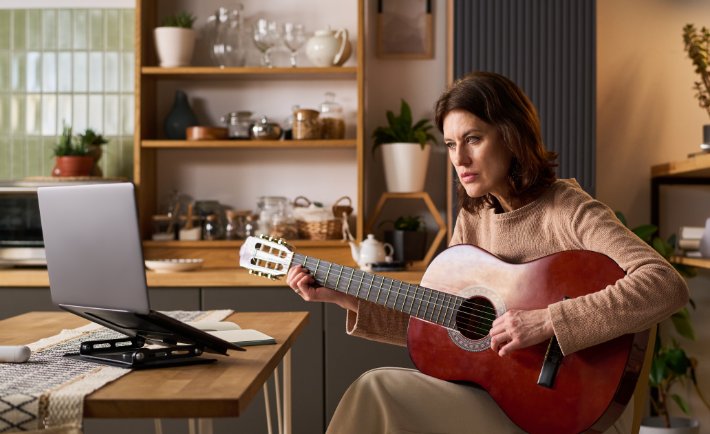
Trying something new sounds exciting until doubt creeps in. Many people hesitate before picking up a hobby because they worry about wasting time, making mistakes, or feeling embarrassed. Those concerns can keep you from discovering activities that improve your skills, reduce stress, and make everyday life more enjoyable. The good news is that you can overcome those fears with the right mindset and a few practical strategies. Instead of waiting until you feel completely confident, focus on taking small steps that build momentum and make the process feel rewarding.
Understand Where the Fear Comes From
Fear rarely appears without a reason. Most people connect a new hobby with the possibility of failure, criticism, or frustration. You may compare yourself to experienced people or assume everyone else learns faster than you do.
Recognizing those thoughts helps you challenge them. Every expert started as a beginner, and every hobby requires practice. Once you accept that everyone struggles at first, you remove much of the pressure that keeps you from getting started.
Stop Chasing Perfection
Perfection often becomes the biggest obstacle to enjoying a hobby. If you expect immediate success, you will probably feel disappointed after your first attempt.
Instead, set realistic expectations. Focus on learning one skill at a time rather than mastering everything at once. Small improvements add up quickly, and each success gives you more confidence to continue.
Remember that hobbies exist for enjoyment and personal growth. They do not require flawless results.
Start With Something That Truly Interests You
Choosing the right hobby makes a huge difference. You will stay motivated much longer when the activity matches your interests instead of following trends.
Think about what naturally grabs your attention. Do you enjoy building things, creating art, cooking, photography, gardening, or learning musical instruments? Your curiosity already points you in the right direction.
When you feel genuinely interested, excitement often replaces fear.
Break the Hobby Into Small Goals
Large goals can feel intimidating. Smaller goals create steady progress without overwhelming you.
Try setting objectives like these:
- Spend 20 minutes practicing twice each week.
- Learn one new technique during each session.
- Finish one beginner project before moving to something advanced.
- Keep track of what you improve each month.
- Celebrate every milestone, even small ones.
Simple goals help you build consistency instead of worrying about the final outcome.
Accept That Mistakes Are Part of Learning
Every mistake teaches something valuable. Rather than viewing errors as proof you cannot succeed, treat them as useful feedback.
Artists create rough sketches before polished work. Woodworkers make imperfect cuts before developing precision. Bakers adjust recipes after disappointing results.
Every hobby follows the same pattern. Practice leads to improvement, and improvement comes from making corrections along the way.
Ignore Unhelpful Comparisons
Social media makes it easy to compare your first attempt with someone else’s tenth year of experience. Those comparisons create unrealistic expectations.
Instead, compare yourself only with your previous efforts. Notice how much easier a skill becomes after several practice sessions. Those personal improvements matter far more than someone else’s achievements.
Your hobby belongs to you, not to the internet.
Challenge Common Misconceptions
Many people avoid hobbies because they believe certain myths. Those misconceptions create unnecessary anxiety before they even begin.
For example, a common myth about sewing suggests that only naturally artistic people can create quality projects. In reality, sewing relies on practice, patience, and repetition much more than natural talent. The same idea applies to painting, woodworking, photography, and countless other hobbies.
Question assumptions before allowing them to limit your choices.
Create a Comfortable Learning Environment
Your surroundings influence your confidence more than you might realize.
Choose a workspace that feels organized and inviting. Gather your materials before you begin so you avoid interruptions. Turn off unnecessary notifications and allow yourself time to focus without distractions.
A calm environment makes learning feel much less stressful.
Give Yourself Permission To Be a Beginner
Beginners often expect themselves to perform like experienced hobbyists. That expectation creates frustration almost immediately.
Instead, remind yourself that every new skill has a learning curve. Your first drawing will not look like professional artwork. Your first woodworking project may have uneven edges. Your first loaf of homemade bread might not rise perfectly.
Those early attempts represent progress, not failure.
Learn From Others Without Feeling Intimidated
Books, online videos, classes, and local groups provide valuable support when starting a hobby. Watching experienced people demonstrate techniques can shorten your learning process.
Ask questions whenever something feels confusing. Most hobby communities enjoy helping newcomers because they remember what it felt like to start.
Learning from others does not mean comparing yourself to them. It simply gives you better tools for success.
Build Confidence Through Consistency
Confidence develops through repeated action instead of waiting for the perfect moment.
Schedule regular practice sessions, even if they last only fifteen or twenty minutes. Frequent practice builds familiarity, and familiarity reduces fear.
Missing a day does not erase your progress. Simply return to your hobby when you can and continue moving forward.
Focus on Enjoyment Instead of Performance
Many people accidentally turn hobbies into competitions. They measure every project against impossible standards instead of appreciating the experience.
Ask yourself why you wanted the hobby in the first place. Maybe you wanted a creative outlet, a way to relax, or an opportunity to learn something new.
Keeping those reasons in mind helps you stay motivated when challenges appear.
Celebrate Every Step Forward
Progress deserves recognition, regardless of how small it seems. Completing your first project, learning a new technique, or practicing consistently for several weeks all represent meaningful accomplishments.
Take photos of your work or keep notes about what you learned. Looking back at earlier efforts often reveals much more improvement than you notice from day to day.
Confidence grows when you recognize your own progress instead of overlooking it.
Keep Moving Forward
Fear of a new hobby often disappears only after you begin. Waiting until you feel completely confident usually delays the experience indefinitely. Taking one small action today creates momentum that becomes easier to maintain tomorrow.
Every hobby offers opportunities to learn, create, and enjoy your free time in new ways. You do not need perfect skills, expensive equipment, or years of experience before getting started. You only need curiosity and a willingness to practice. Once you take that first step, you may discover that the biggest obstacle never involved the hobby itself. It simply involved believing you could succeed, and every session proves that belief a little more.