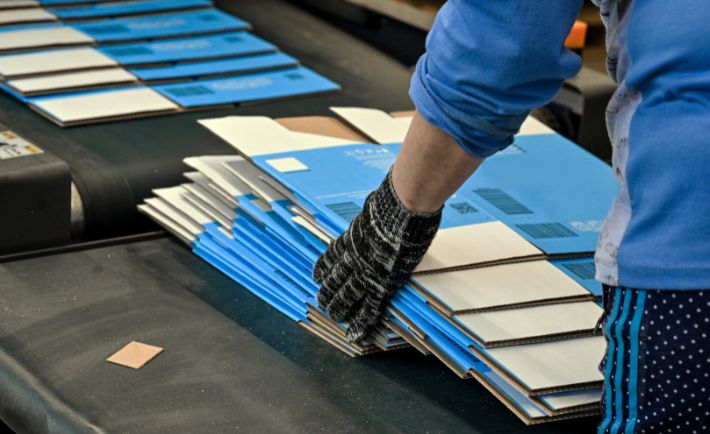
Businesses need packaging that supports sustainability goals without creating higher shipping costs or operational inefficiencies. As consumer expectations shift and production demands grow, companies continue searching for materials that balance durability with smarter performance. Smart packaging materials now play a larger role in shaping brand perception and long-term business growth.
Flexible Films Gain Attention
Flexible packaging materials continue gaining traction because they reduce excess material while maintaining product protection. Businesses appreciate the lower transportation weight because it helps reduce fuel usage and shipping expenses across large distribution networks. Lighter materials also simplify storage and improve warehouse efficiency in facilities with limited space.
Modern flexible films support stronger barrier protection than many companies expect. Advanced structures help protect products from contamination and temperature fluctuations without requiring bulky packaging designs. This shift creates better product stability while improving the customer experience.
Packaging engineers also value the design flexibility these materials provide. Businesses can adapt pouch closures and finishes without redesigning entire production systems. As packaging trends shift toward customization, flexible materials support faster adaptation without creating operational bottlenecks.
Sustainability Drives Material Choices
Sustainability now influences purchasing decisions across nearly every industry. Consumers want brands to reduce waste and lower environmental impact without sacrificing convenience or product quality. Businesses that ignore these expectations risk falling behind competitors that already prioritize smarter packaging strategies.
Many companies now evaluate recyclable films and reduced-plastic alternatives during packaging development. Material selection affects far more than environmental messaging because it also shapes transportation efficiency.
Businesses also pay attention to packaging waste created during production itself. Modern film materials support cleaner sealing performance and more consistent processing, which helps reduce rejected packages and unnecessary material loss on packaging lines. Small improvements in production efficiency can create meaningful reductions in long-term waste output.
Some manufacturers struggle because sustainable materials require different handling characteristics than traditional packaging films. Seal strength, puncture resistance, and machine compatibility all affect the results. Businesses benefit from understanding sustainable film selection before making major production changes.
Barrier Technology Continues Advancing
Barrier protection plays a central role in modern packaging performance. Products lose quality quickly when moisture, air, or contaminants penetrate weak packaging structures. New film technologies now create stronger protective layers without adding excessive material thickness.
This improvement helps industries protect sensitive products while maintaining lighter packaging designs. Food manufacturers benefit from longer freshness retention, while electronics companies reduce exposure risks during shipping and storage. Better barrier performance also helps reduce product waste caused by spoilage or contamination.
Consumers notice these improvements even when they don’t recognize the technology behind them. Products maintain freshness and functionality more consistently throughout distribution cycles. Stronger packaging performance creates stronger customer confidence over time.
Packaging Shapes Sustainable Branding
Modern packaging materials help brands support sustainability goals without sacrificing visual quality or customer experience. Companies now use thinner film structures, cleaner printing methods, and minimal packaging designs to reduce excess material while maintaining a polished appearance.
Improved film technology supports sharper graphics and stronger durability without relying on bulky layers or unnecessary coatings that increase waste. This approach helps businesses present products in a modern, intentional way while aligning packaging decisions with consumers’ broader environmental expectations.
Smart Features Enter Packaging
Technology now plays a larger role in packaging development than many businesses expected. Smart labels, QR integration, temperature indicators, and tracking systems continue reshaping how companies monitor products throughout supply chains. Packaging materials increasingly support both physical protection and digital connectivity.
These additions create new opportunities for customer interaction. Brands use smart packaging to provide product authentication and recycling guidance through mobile devices. Packaging becomes part of the customer experience instead of functioning only as external protection.
Operational advantages continue growing as well. Businesses gain stronger inventory visibility and improved tracking accuracy when smart packaging systems integrate with logistics platforms. As automation expands across manufacturing and distribution, connected packaging materials support more efficient decision-making.
Durability Supports Cost Control
Packaging durability directly affects profitability. Weak materials create replacement costs that quietly drain business resources. Stronger materials reduce those issues while improving consistency throughout transportation and storage.
Companies now seek materials that maintain structural integrity without excessive bulk. Modern packaging films achieve stronger resistance against environmental stress while remaining lightweight. This balance helps businesses reduce waste without increasing packaging volume.
Several qualities now shape packaging decisions across industries:
- Resistance to moisture exposure during transit
- Structural stability under changing temperatures
- Protection against punctures and compression
- Consistent seal performance during production
- Reduced shipping weight without sacrificing strength
Businesses that evaluate these factors carefully create packaging systems that support long-term operational stability instead of temporary short-term savings.
Consumer Expectations Keep Rising
Modern consumers pay closer attention to packaging quality than previous generations did. They notice materials that appear outdated or environmentally irresponsible. Packaging now influences brand reputation alongside product quality.
Minimalist packaging designs continue gaining popularity because they communicate efficiency and environmental awareness. Consumers appreciate packaging that feels intentional rather than excessive. Smart material selection helps companies support those expectations while maintaining practical functionality.
Transparency also shapes consumer trust. Customers want clearer information about sustainability claims and packaging disposal. Businesses that provide straightforward communication through packaging design strengthen credibility with increasingly informed audiences.
Material Innovation Shapes Competition
Packaging innovation influences competitive positioning across many industries. Companies that adapt quickly improve operational efficiency while strengthening customer perception. Businesses that delay modernization often face higher long-term costs when outdated systems create inefficiencies throughout production and distribution.
Research into biodegradable coatings, mono-material films, and renewable packaging sources continues accelerating. Material science advances rapidly because manufacturers recognize the growing demand for sustainable performance. These developments create opportunities for businesses willing to modernize their packaging strategies early.
Forward-thinking companies don’t treat packaging as an afterthought anymore. They evaluate materials strategically because packaging affects sustainability targets and overall operational performance simultaneously.
Packaging Decisions Carry Long-Term Impact
The packaging materials businesses should know today combine durability, sustainability and innovation into one cohesive system. Companies that evaluate packaging carefully gain stronger operational flexibility while supporting modern consumer expectations more effectively.
The packaging industry won’t slow down as technology and sustainability standards continue advancing. Businesses that stay informed now place themselves in a stronger position when future packaging demands reshape shipping and customer experience once again.