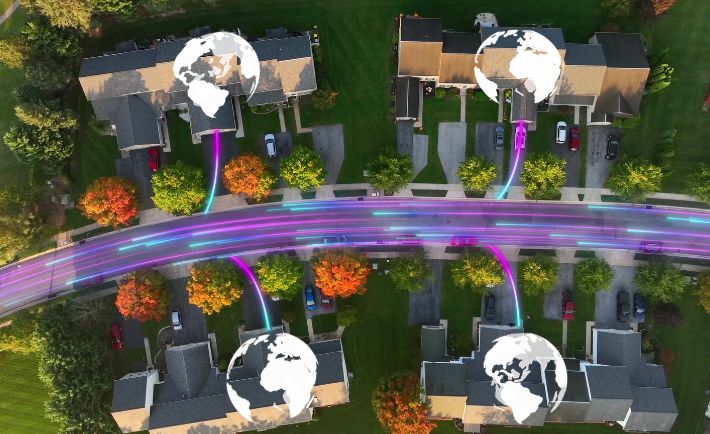
If you have ever wondered why some homes get better fiber than others, you are definitely not alone. Two houses on the same street can have wildly different internet experiences, which feels like a cosmic joke when households pay for “blazing fast” service. One family streams in 4K, games online, and downloads files in seconds, while the other stares at a buffering wheel like it is modern art. The difference rarely comes down to luck and usually ties back to infrastructure, setup, and a handful of technical details most people never see.
Understanding these factors can help you make better decisions about your setup. It can also save you from blaming your router when the issue runs deeper. Once you break it down, fiber performance starts to make a lot more sense.
Location Still Plays a Big Role
Fiber internet depends heavily on where your home sits in relation to network infrastructure. Homes located closer to fiber distribution hubs or main lines usually receive stronger and more consistent signals. The farther the signal travels, the more opportunities it has to weaken, especially if the network design lacks optimization. That distance might seem small on a map, but it can create noticeable differences in performance.
Providers also prioritize certain areas when expanding fiber networks. Urban and high-density neighborhoods often receive upgrades first because they serve more customers at once. Meanwhile, rural or less populated areas may deal with older infrastructure or limited access. This gap explains why two homes in different regions can experience completely different fiber quality, even if they subscribe to similar plans.
The Quality of Installation Matters
Fiber installation is not a one-size-fits-all process, and the technician’s skill plays a major role. Proper cable routing, secure connections, and precise handling of fiber strands all contribute to performance. A skilled technician knows how to achieve a low-loss fusion splice every time, which minimizes signal loss and keeps speeds consistent. In contrast, poor workmanship can introduce inefficiencies that reduce performance.
Even small mistakes during installation can create long-term issues. Loose connections or poorly aligned splices can lead to intermittent drops or slower speeds. These problems may not show up immediately, which makes them harder to diagnose later. That is why professional, detail-oriented installation makes such a big difference in fiber performance.
Equipment Makes a Noticeable Difference
Your internet plan may promise high speeds, but your equipment determines whether you actually experience them. Routers, modems, and internal wiring all influence how well your connection performs. Older devices often struggle to handle modern bandwidth demands, especially in homes with multiple connected devices. Upgrading your hardware can unlock the full potential of your fiber service.
It’s not just about having new equipment, but also choosing the right kind. High-performance routers with strong processors and better range can handle streaming, gaming, and smart home devices more efficiently. Internal wiring also matters, especially if you rely on wired connections for stability. When your equipment matches your service level, you reduce bottlenecks and improve overall performance.
Network Congestion Affects Performance
Fiber networks offer impressive speeds, but they still share bandwidth among multiple users. During peak hours, such as evenings or weekends, heavy usage can slow down connections. This congestion happens when too many users access the network at the same time. Even high-speed fiber can feel sluggish under these conditions.
Providers manage traffic differently, which leads to varying experiences across neighborhoods. Some networks handle congestion more efficiently, while others struggle during busy periods. This explains why your internet might feel lightning-fast in the morning but noticeably slower at night. Understanding this pattern can help you plan your most demanding tasks during off-peak hours.
Common Factors That Influence Fiber Quality
Several factors work together to determine how well your fiber connection performs. These elements create the overall experience you notice every day. Understanding them can help you identify weak points in your setup. A few influential factors include:
- Distance from the fiber distribution point.
- Quality of installation and splicing.
- Type and age of networking equipment.
- Level of network congestion in your area.
- Layout and materials within your home.
Provider Infrastructure and Investment
Not all internet providers invest equally in their networks. Some companies prioritize upgrades and maintain cutting-edge infrastructure, while others rely on older systems. This difference can directly affect the quality of service you receive. A provider with modern infrastructure can deliver faster speeds and more reliable connections.
Researching providers before choosing a plan can save you a lot of frustration. Customer reviews, upgrade history, and service coverage all provide valuable insights. Providers that consistently invest in their networks tend to offer better long-term performance. Choosing the right provider can make a bigger difference than any single piece of equipment.
Why Some Homes Get Better Fiber Than Others (Revisited)
When you revisit the idea that some homes get better fiber than others, the reason becomes clearer. Performance depends on a combination of location, installation quality, equipment, and network conditions. No single factor determines everything, but each one contributes to the final experience. Understanding these elements helps you set realistic expectations.
This knowledge also empowers you to make improvements where possible. While you cannot control every factor, you can optimize your setup and choose better equipment. These adjustments can significantly improve your connection. A little awareness goes a long way in closing the performance gap.
Steps You Can Take To Improve Your Connection
Even if your current setup isn’t perfect, you can still make meaningful improvements. Start by upgrading outdated equipment and positioning your router for better coverage. Use wired connections for devices that require stable speeds, such as gaming systems or workstations. These steps can enhance speed and reliability.
You can also contact your provider to explore upgrade options or troubleshoot issues. Many providers offer improved plans or updated equipment that can boost performance. Running regular speed tests can help you track improvements and identify problems. Taking a proactive approach ensures you get the most from your fiber connection.
Understanding why some homes get better fiber than others helps you take control of your internet experience. Factors like location, installation quality, equipment, and network conditions all play a role. While you cannot change everything, you can optimize your setup and make smarter choices. With the right approach, you can enjoy faster, more reliable internet that keeps up with your digital lifestyle.