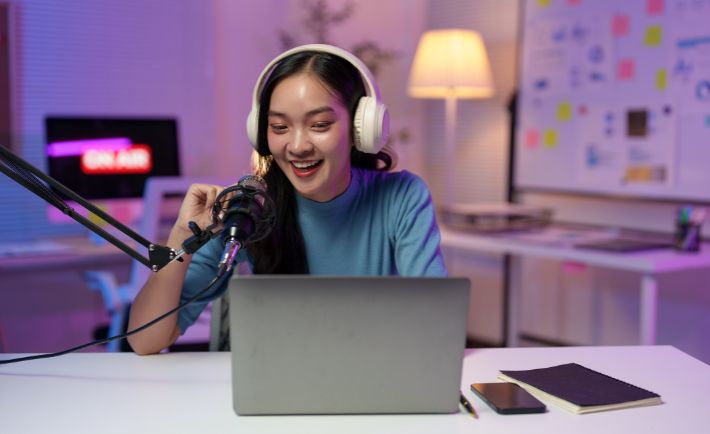
Podcasting is one of the most dynamic and accessible platforms for sharing your voice, ideas, and expertise. And the medium is only getting more popular! In fact, did you know that there are an estimated 584 million podcast listeners worldwide in 2025? That’s a huge pool of potential listeners who could really benefit from what you have to share! That said, there are also over 4.5 million podcasts vying for attention.
If you want to get your voice out there, you need a great idea and a great studio to make that idea shine. You have two options: rent a professional studio space or design your own. Though the latter is more initially expensive, many podcasters prefer it for the long-term savings and the unmatched convenience of recording from home. Does that sound like your cup of tea? If so, we’re here to help!
Read on to explore the basics of creating the perfect at-home podcast studio. Our goal is to put you on the road to success by breaking down the main stages of studio development and offering some equipment and software advice. Ready? Great—let’s go!
Find a Dedicated Space
The first step to creating a stellar podcast studio is selecting a space that works for your needs. The good news is that you don’t need a large, elaborate room. A small, dedicated area can work wonders. You could even use a spacious closet! The place should ideally be quiet, away from external noises like traffic, appliances, or a bustling household.
Noise can creep into your recordings from surprising sources, so choosing the quietest room in your home or apartment is helpful. If you’re not sure how soundproof your room is, record a test clip of pure silence and play it back wearing noise-cancelling headphones. This will help you identify any sources of interference.
But keep in mind that, though pure silence is ideal, it’s not a practical quality to demand. If the best place in your home for a studio isn’t dead silent, you can upgrade the area with sound treatments, which is exactly what we’re going to cover next.
Optimize Your Space for Sound
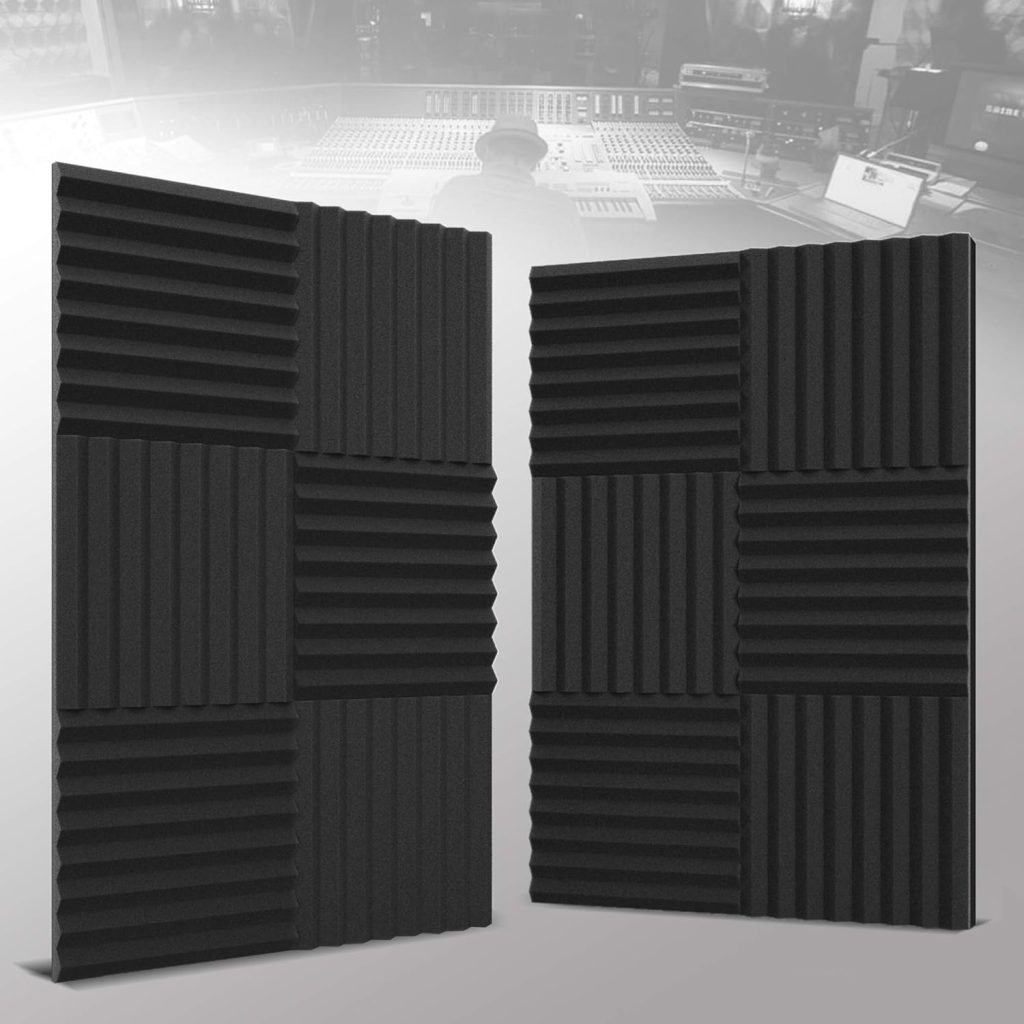
Okay—so you have the space you want to transform into a studio. Now, you need to make it as soundproof as possible. Your recording environment will dictate how professional your podcast sounds. Plus, a quiet room makes it easier to concentrate as you process your thoughts and record. Below are the steps you can take to control noise in your studio.
1. Dampen the Room
Hard surfaces cause sound waves to bounce and create distracting echoes. Instead, you want to use soft furnishings like rugs, thick curtains, and upholstered furniture to reduce reverberation. You can also hang heavy blankets or tapestries on walls or stack shelves with books to act as natural acoustic absorbers.
2. Mind the Corners
Corners tend to amplify low-frequency sounds, creating a boomy effect. Yeah—no one wants to listen to that. Fix the issue by adding bass traps, which are thick acoustic panels designed for corners.
3. Insulate the Space
Wall insulation serves many important functions, from maintaining a comfortable indoor temperature to reducing noise transfer. The latter is what we’re focused on. If you own your living space, you can upgrade the insulation to closed-cell spray foam, which offers the best climate control, energy efficiency, and sound dampening. Just keep in mind how insulation and ventilation interact, as you’ll need to make sure your room has enough airflow to prevent stuffiness and mold growth.
Invest in the Right Equipment
Whew! The hard part is done. You’ve found a nice spot to record, and you’ve treated it to be as podcast-friendly as possible. Now it’s time to stock up on the equipment you’ll need to sound like a pro.
1. A Quality Microphone
Forget about your laptop’s built-in mic! A quality external microphone is the heart of every podcast studio. Here are two popular types to consider:
- Dynamic microphone: great for blocking out background noise and ideal for rooms that aren’t perfectly soundproof
- Condenser microphone: perfect for capturing crisp, high-quality sound with more nuanced details
Keep in mind that your microphone placement matters as much as the mic itself. Always position it at mouth level, about 6–12 inches away from you, for optimal clarity. Speak directly into the mic but avoid touching it to prevent unnecessary vibrations and handling noise.
2. An Audio Interface
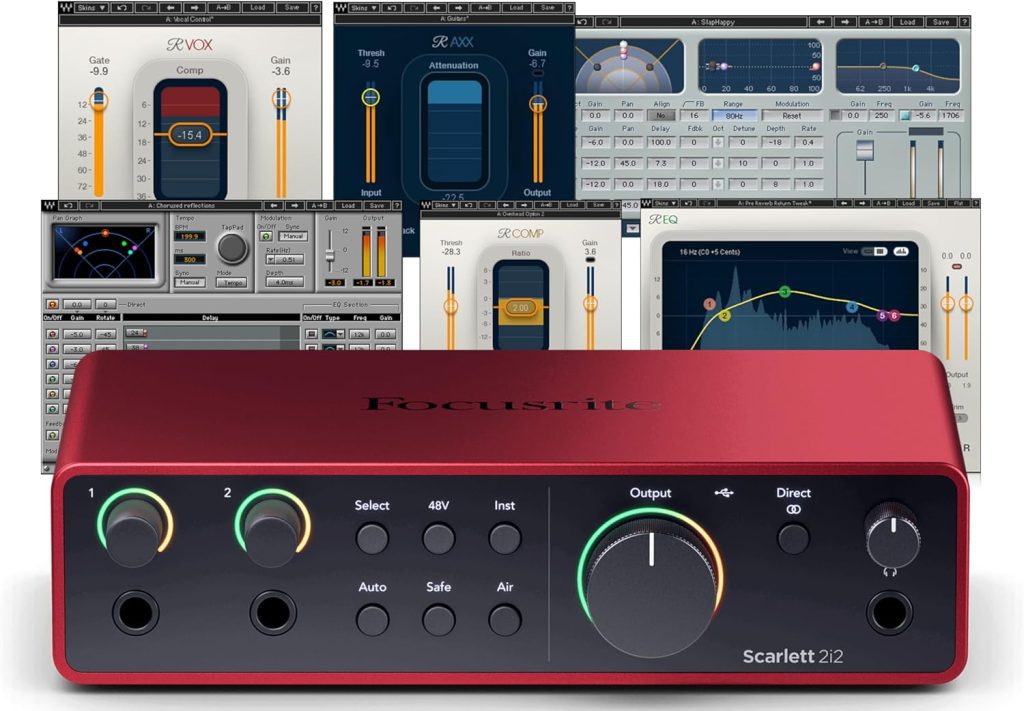
An audio interface connects your microphone to your computer and enhances sound quality. The Focusrite Scarlett 2i2 is a popular beginner-friendly interface, though you should definitely explore your options.
3. Headphones
Invest in closed-back headphones. These block out external noise so you can focus on monitoring your recordings without interruptions.
4. Pop Filter
A pop filter eliminates harsh “p” and “s” sounds. This creates a nicer listening experience for your audience—unless you’re performing ASMR!
5. Boom Arm
A boom arm keeps your microphone at the perfect height and angle for consistent recording quality.
Adopt Essential Software for Editing
The quality of your podcast doesn’t end with recording. Editing is where the magic happens! It’s where you fine-tune your voice, cut out mistakes, tidy up for clarity, and add music or effects.
A DAW is the software you’ll use to edit your recordings. Audacity is a popular free option that is simple and easy to use. If you want something nicer, Adobe Audition is an example of a professional-grade tool with advanced features, but it’s a financial investment.
Pro Tips for Success
Once your studio is ready, you can start recording! But remember that it takes time to learn podcasting skills. You’ll get better eventually, and you can use these tips to help:
- Always test your equipment and do a quick soundcheck before recording an entire episode.
- Write a rough outline or bullet points to guide the flow of your episode, but allow for natural conversation to keep it engaging.
- Use your DAW to ensure your audio isn’t peaking (getting too loud) or clipping (distorting). Aim for consistent sound levels throughout the episode.
Start Recording Your Dream Podcast in Your Dream Studio!
Creating the perfect at-home podcast studio is totally possible! By investing in the right space, equipment, and acoustics, you’ll be well on your way to producing professional-quality episodes your audience will love. Now it’s your turn to grab the mic, hit record, and share your story with the world.