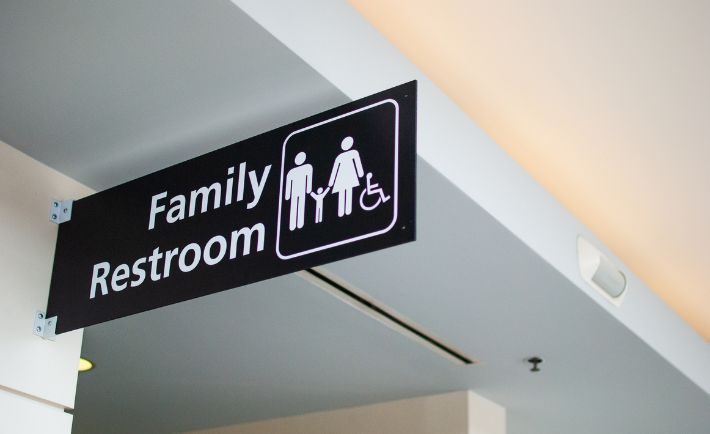
Taking children out in public often feels like a carefully planned mission. Parents pack bags with snacks, toys, and spare clothes, preparing for any situation. However, one of the biggest challenges they face is navigating public restrooms. A poorly designed or ill-equipped restroom can quickly turn a simple outing into a stressful ordeal. Many parents have experienced the difficulty of changing a diaper on a cold floor or trying to help a small child use an adult-sized toilet.
Creating family-friendly public restrooms is more than just a convenience; it’s a necessity. When businesses and public spaces invest in these facilities, they show families that they are valued and welcome. This small but significant effort improves the overall experience for caregivers and their children, making public outings more enjoyable and less daunting. Continue reading to explore ways to make public restrooms more family-friendly.
Key Elements of a Welcoming Restroom
A truly family-friendly restroom meets the needs of both children and caregivers. It goes beyond basic functionality to provide a space that is practical, safe, and comfortable. The most fundamental features address common pain points that families encounter.
Changing Stations
A clean, safe, and sturdy changing station is a critical component of any family-friendly restroom. For parents with infants and toddlers, the absence of a designated changing area creates immense difficulty. Expecting a parent to change a diaper on a dirty floor or a cramped countertop is not a reasonable solution. A properly installed changing station provides a hygienic and secure surface, making a necessary task much simpler and more pleasant. To put it plainly, every public restroom needs a baby changing station. Placing these stations in both men’s and women’s restrooms also acknowledges that child-rearing is a shared responsibility.
Child-Sized Fixtures
Small children often find adult-sized toilets and sinks intimidating and difficult to use. Installing child-sized toilets and lower sinks makes the restroom experience much easier for them and their caregivers. These fixtures empower young children to be more independent, which is an important part of their development. When a child can reach the sink to wash their hands without assistance, it fosters a sense of accomplishment. Providing these smaller fixtures demonstrates a thoughtful consideration of the youngest visitors.
Ample Space
Navigating a cramped restroom with a stroller, a diaper bag, and a small child in tow is a common struggle for many parents. A family-friendly restroom must offer enough space to move around comfortably. This comfort means providing wider stalls and clear pathways that can accommodate a stroller without blocking access for others. Having enough room for a caregiver and multiple children to fit inside a stall together also significantly reduces stress. Thoughtful spatial planning is essential to creating a functional, accessible environment for families.
Prioritize Cleanliness and Hygiene
A clean restroom is important for everyone, but it is especially critical for families with young children. Kids are prone to touching surfaces and putting their hands in their mouths, so maintaining a high standard of hygiene is paramount. Regular cleaning schedules, well-stocked soap dispensers, and readily available paper towels or hand dryers are basic expectations. Touchless fixtures, such as automatic faucets, soap dispensers, and toilets, can further reduce the spread of germs and provide parents with extra peace of mind. A visibly clean and well-maintained restroom communicates a message of care and respect for its users.
Additional Features That Elevate the Experience
While the core elements form the foundation of a family-friendly restroom, several additional features can greatly enhance the experience. These thoughtful touches show an even deeper commitment to accommodating families.
Privacy
Nursing mothers often seek a private, comfortable space to feed their infants. While some larger venues offer dedicated nursing rooms, restrooms can also provide a solution. A private, partitioned area within the women’s restroom, furnished with a comfortable chair, can offer a quiet place for mothers to nurse or pump. This small addition provides a much-needed sanctuary and supports mothers who need a moment of privacy during their public outings.
Decor and Distractions
A trip to the restroom can be a source of anxiety for some children. Incorporating fun and engaging decor can help distract them and make the experience more positive. Bright colors, playful murals, or even interactive elements can capture a child’s attention and ease their fears. These creative touches transform a purely functional space into a more inviting and memorable one, leaving a positive impression on both children and parents.
Important Safety Features
Safety is always a top priority for caregivers. Restrooms can incorporate several features to help protect young children. Locking mechanisms that are out of a child’s reach can prevent toddlers from opening stall doors unexpectedly. Non-slip flooring reduces the risk of falls, especially in environments where floors can be wet. Covering sharp corners on countertops and fixtures also helps prevent accidents. These safety measures demonstrate a proactive approach to protecting the well-being of young visitors.
Clear Signage
Clear, visible signage helps families quickly locate appropriate facilities. Signs indicating the presence of changing stations or family restrooms should be easy to spot from a distance. Inside the restroom, clear instructions and labels can help users navigate the space efficiently. Proper signage is a simple yet effective way to improve accessibility and make the experience smoother for everyone.
Overcoming Implementation Hurdles
While the benefits are clear, some businesses may face challenges when updating their facilities. However, there are practical solutions to address these common concerns.
Cost-Effective Solutions
Upgrading a restroom does not have to be prohibitively expensive. You can make many improvements without a complete renovation. Installing a wall-mounted changing station is a relatively low-cost investment with a high impact. Adding a step stool near sinks is an affordable alternative to installing child-sized fixtures. Businesses can phase in improvements over time, starting with the most critical features and adding others as the budget allows.
Work With Space Limitations
Not all restrooms have the luxury of abundant space. In smaller facilities, creative solutions are necessary. Fold-down changing stations save space when not in use. Combining a larger, accessible stall with family-friendly features can serve multiple needs within a single space. Efficient layout planning can maximize functionality even in a small restroom.
Commit to Maintenance and Upkeep
A family-friendly restroom is only effective if it is well-maintained. Broken fixtures, empty dispensers, or a lack of cleanliness can undermine the purpose of these amenities. Establishing a consistent maintenance schedule and an issue-reporting system is crucial. Well-maintained facilities reflect positively on the establishment and show a genuine commitment to serving families.
Build a More Welcoming World for Families
Creating public restrooms that cater to families’ needs is a powerful way for businesses and public spaces to demonstrate inclusivity and care. These facilities reduce caregivers’ stress, promote children’s health and safety, and ultimately encourage families to spend more time in the community. By investing in features like changing stations, child-sized fixtures, and adequate space, establishments can create a more welcoming environment for everyone. It is time for all public spaces to recognize the importance of these features and take steps to make their restrooms family-friendly.