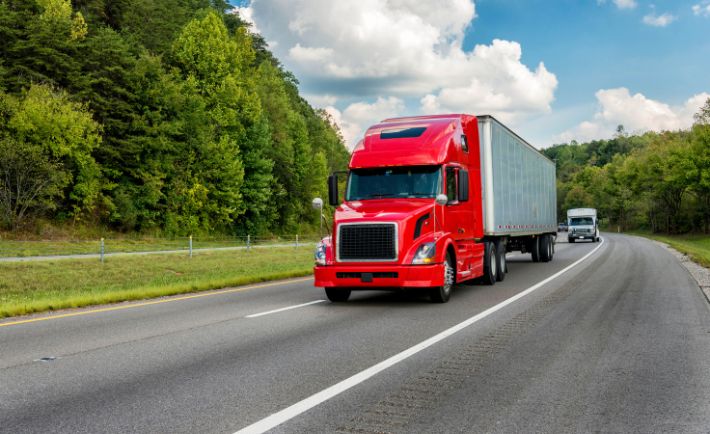
Maintaining control of a semi-truck is one of the most critical skills a driver can have. Proper steering control has a direct impact on road safety, not just for the driver but for everyone else as well. When you are behind the wheel of a massive vehicle, even a minor steering issue can lead to significant problems. Drivers often face challenges like crosswinds, uneven road surfaces, and mechanical failures that can compromise their ability to steer effectively. Understanding how to manage these challenges and maintain your truck’s steering system is fundamental to a safe and efficient career in trucking.
This guide will walk you through the essential aspects of your truck’s steering system, common problems that arise, and practical ways to keep everything in top shape. We will also explore advanced technologies and driving techniques that can make a significant difference in your daily haul. Continue reading to explore ways to improve your steering control on semi trucks.
Your Steering System’s Key Players
To effectively control your truck, you first need to understand the components that make steering possible. A semi-truck’s steering system is a complex network of parts working together. The steering wheel connects to the steering shaft, which transfers your input to the steering gear. This gear multiplies the force you apply, making it possible to turn the truck’s massive front wheels. The Pitman arm connects the steering gear to the drag link, which in turn connects to the steering knuckle. The steering knuckle holds the wheel hub and allows the wheels to pivot. Tie rods connect the steering knuckles on both sides, making the wheels turn in unison. Power steering fluid provides hydraulic assistance, reducing the physical effort needed to turn the wheel. Each part plays a vital role in translating a simple turn of the wheel into a precise change in direction for the entire rig.
Common Steering Control Problems
Several common issues can compromise your truck’s steering performance.
Worn Tires
Worn or improperly inflated tires are a frequent culprit. Tires with low tread depth cannot grip the road effectively, especially in wet or icy conditions, leading to a loss of steering response. Uneven tire wear can also cause the truck to pull to one side.
Misaligned Axles
Misaligned axles are another significant problem. If the axles are not parallel to each other and perpendicular to the truck’s frame, it can cause “dog tracking,” where the rear of the trailer does not follow the cab’s path. This condition forces the driver to constantly correct the steering, leading to fatigue and uneven tire wear.
Steering Linkage Issues
Issues within the steering linkage, such as worn tie rod ends or a loose Pitman arm, can create excessive play in the steering wheel. This problem means you have to turn the wheel more to get a response, which makes precise maneuvers difficult and can be dangerous in an emergency. A failing power steering pump or low fluid levels will make steering feel heavy and unresponsive. Identifying these problems early is key to maintaining control.
Maintenance for Better Steering
Regular maintenance is the best defense against steering problems. You should perform thorough pre-trip inspections, paying close attention to the steering system. Check your tires for proper inflation and look for signs of unusual wear patterns, which can indicate alignment or suspension issues. Grab the steering wheel and check for excessive play; more than a couple of inches of movement before the wheels respond could signal worn linkage components.
Look under the truck at the steering components. Check for any loose bolts, worn bushings, or signs of fluid leaks around the power steering pump and hoses. Lubricating the steering system’s moving parts, like kingpins and tie rod ends, according to the manufacturer’s schedule, reduces friction and prevents premature wear.
Address alignment issues promptly. If you notice your truck pulling to one side or see uneven tire wear, have a professional inspect and adjust the axle alignment. A properly aligned truck not only steers better but also improves fuel efficiency and extends tire life. Timely repairs of any identified issues will keep your steering system reliable and responsive.
Advanced Steering Control Technologies
Modern trucks often come equipped with advanced technologies designed to help drivers maintain control. Electronic stability control (ESC) is a system that automatically applies brakes to individual wheels to prevent rollovers and loss of control during sudden maneuvers. ESC uses sensors to monitor the truck’s direction and the driver’s steering input. If it detects a potential loss of control, it intervenes to help stabilize the vehicle.
Lane departure warning systems (LDWS) use cameras to monitor the truck’s position within its lane. If the truck begins to drift out of the lane without the driver activating the turn signal, the system alerts the driver with an audible or vibrating warning. This technology is particularly helpful in preventing accidents caused by distraction or fatigue. Some advanced systems even offer lane-keeping assist, which actively provides steering input to keep the truck centered in its lane. These technologies act as a valuable safety net, augmenting the driver’s skills.
Driver Training and Techniques
While technology helps, a driver’s skill remains the most important factor in steering control. Proper training teaches you how to handle a variety of challenging situations. For instance, when driving in strong crosswinds, you must apply steady counter-steering pressure to keep the truck moving straight. Overcorrecting can be just as dangerous as not correcting at all.
Driving on slick or icy roads requires a gentle touch. Abrupt steering movements can easily cause the truck to skid. Smooth, deliberate inputs are crucial. You should also learn to anticipate how the trailer will react. When making turns, remember that the trailer will follow a tighter path than the cab, a phenomenon known as off-tracking. You need to take wide turns to avoid hitting curbs or other obstacles.
For tight, low-speed maneuvers, some drivers consider buying a spinner knob, which can make turning the wheel quicker and less strenuous. Proper hand placement on the steering wheel, typically at the 9 and 3 o’clock positions, gives you maximum leverage and control. Continuous practice and a focus on smooth, controlled actions will make you a safer and more confident driver.
The Foundation of Safe Trucking
Excellent steering control is the foundation of safe and efficient truck driving. It starts with a solid understanding of your truck’s steering components and a commitment to regular maintenance. By identifying and addressing common issues like tire wear and misalignment, you can prevent many problems before they become serious. Ultimately, your training and ability to apply proper driving techniques in challenging conditions are what truly keep you in command of your vehicle. By prioritizing your truck’s steering health and honing your driving skills, you contribute to a safer road for everyone.