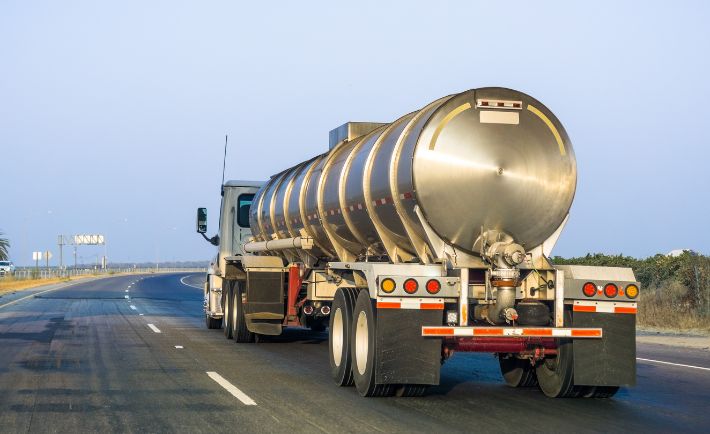
Maintaining the electrical systems of tanker trailers is essential for ensuring their safe and efficient operation. A tanker trailer is an integral part of many fleets, tasked with hauling critical or even hazardous materials.
However, their electrical components can often become fail points, which causes frustrating and sometimes dangerous situations on the road. We’re exploring the most common electrical problems that tanker trailers encounter, their potential impacts, and how you can effectively address or prevent them.
Corroded Connections and Wiring
Corrosion is one of the most prevalent issues affecting electrical systems in tanker trailers. Due to exposure to water, road salt, and other environmental factors, electrical connections and wiring often suffer from oxidation over time. This weakens the connectivity and leads to electrical shorts or complete failure of critical systems.
For example, a corroded wiring harness near the trailer’s grounding point can disrupt the flow of current to various electrical components. Such issues result in dim or flickering lights, malfunctioning ABS systems, and other electrical breakdowns.
Staying ahead of corrosion requires regular inspection and cleaning of all wiring and connections. Applying dielectric grease to connections and ensuring protective coverings are intact can also make a significant difference. These simple measures mitigate one of the most common fail points on a tanker trailer.
Damaged or Faulty Lighting
Lighting problems, such as nonfunctioning or flickering brake lights, side markers, and turn signals, are another frequent issue tanker trailers face. Damaged or faulty lighting compromises the trailer’s safety and places you at risk of receiving fines for noncompliance with regulations.
The root causes of lighting failures can vary. Broken wires, damaged bulbs, or poorly seated connectors are often to blame. Additionally, water infiltration into light housings can lead to electrical shorts and failure of the lighting system.
Routine inspections are crucial to spotting such issues early. Using LED lights, which are more durable and last longer, reduces the frequency of such problems. Furthermore, make sure all light housings are adequately sealed to prevent moisture from seeping in.
ABS and Brake System Malfunctions
Anti-lock Braking Systems (ABS) are vital for maintaining safe operation, especially during sudden stops or on slippery roads. However, ABS systems in tanker trailers frequently encounter electrical issues. These might include malfunctioning wheel speed sensors, damaged wiring, or fault codes that indicate a deeper problem.
For instance, a broken wire leading to the ABS control module can disable the system, leaving the trailer vulnerable to skidding during emergency braking. If left unchecked, these malfunctions jeopardize safety and become expensive to repair.
Regular diagnostic checks with proper tools can pinpoint ABS-related electrical problems. Addressing fault codes immediately and inspecting sensor connections routinely ensures the system remains operational and reliable.
Issues With Auxiliary Power Units (APUs)
Tanker trailers equipped with auxiliary power units face specific electrical challenges. APUs provide additional power for functions like cooling or heating cargo when the vehicle’s engine is off. Over time, their wiring and connections can become another common fail point.
Problems often arise from loose connections, drained batteries, or overheating of electrical components within the APU system. For instance, poorly maintained connections can cause the APU to fail, which disrupts temperature-sensitive cargo conditions.
Regular maintenance of APUs, including battery tests and inspection of connectors and circuits, is important to avoid such issues. Ensuring not to overload power units and that all components are in good condition is equally important for long-term reliability.
Problems in the Electrical Control Panels
The electrical control panel is essentially the heart of a tanker trailer’s wiring system. Problems in this area can lead to widespread electrical failures, affecting multiple components simultaneously. Loose terminals, burned-out relays, or faulty circuit breakers within the panel are often the culprits.
A loose connection in the control panel might cause intermittent issues with lighting or ABS functionality and make diagnosis tricky. Additionally, electrical overloads or moisture can damage circuit breakers, further complicating the system’s stability.
To minimize failures in the control panel, make sure that it’s properly sealed from moisture and inspected regularly. Installing additional protective features, such as surge protectors, guards the panel against electrical spikes or overloads.
Grounding Issues and Their Effects
Proper grounding is vital for any electrical system, and tanker trailers are no exception. Grounding issues are often overlooked during routine maintenance, but they can lead to a cascade of electrical problems, from dim lights to complete system failures.
When the trailer’s ground cable is loose or corroded, it disrupts the flow of electricity, causing erratic behavior across the trailer’s systems. Poor grounding can result in flickering lights or non-functioning auxiliary power units, leading to unnecessary delays and heavy repair costs.
Addressing grounding issues involves ensuring that all grounding cables are securely attached and free of corrosion. Testing the ground connections regularly will catch issues before they escalate.
Best Practices for Preventing Electrical Problems
While issues described above are common, they are also largely preventable with diligent maintenance and attention to detail. One of the best practices for preventing electrical problems in tanker trailers is conducting routine inspections. By inspecting wiring, connectors, lighting, and the control panel frequently, you can catch potential problems early.
Additionally, using high-quality replacement parts and accessories reduces the likelihood of failures. Investing in sealed connections, corrosion-resistant wiring, and durable LED lights ensures that your trailer’s electrical system remains strong against environmental challenges.
Implementing fleet-wide diagnostic systems that provide real-time insights into the trailer’s electrical health is another effective strategy. These systems allow operators to monitor the condition of ABS, APUs, and control panels, making it easier to address issues promptly.
Keep Your Tanker Trailer Systems Running Smoothly
Understanding and addressing the common electrical issues faced by tanker trailers is essential for ensuring safety, efficiency, and compliance with regulations. From corroded connections to ABS malfunctions, knowing where the common fail points on a tanker trailer lie empowers operators to stay proactive.
Taking time to inspect, maintain, and upgrade critical electrical components will save you valuable time and money in the long run. Protect your investment and keep your operations running smoothly by prioritizing regular maintenance and taking preventative action. A well-maintained electrical system is the foundation of a reliable and efficient tanker trailer.