For decades, a small sticker on the back of your electronics has dictated the relationship between business and consumer: “Warranty Void If Removed.” This simple adhesive label represents a massive economic strategy designed to force consumers to use authorized repair channels or, more likely, to simply upgrade to a new device.
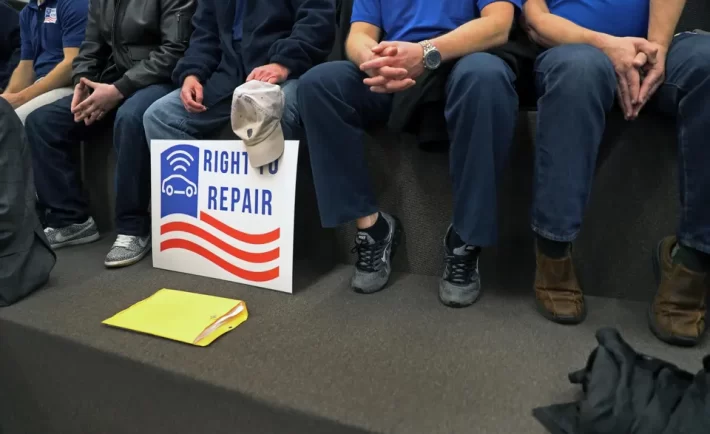
However, a societal shift known as the “Right to Repair” movement is rapidly changing the legal landscape. Driven by environmental concerns (e-waste) and consumer rights advocacy, states like California, Minnesota, and New York are passing legislation that forces manufacturers to make parts, tools, and manuals available to the public.
The End of the “Walled Garden”
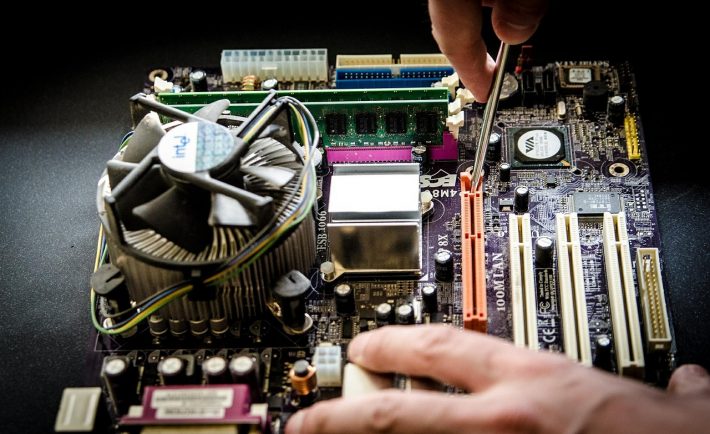
From a business perspective, the Right to Repair disrupts the “walled garden” ecosystem that companies like Apple and John Deere have perfected. Historically, manufacturers claimed that unauthorized repairs posed safety risks or compromised intellectual property.
Legally, the tide is turning against this argument. The Federal Trade Commission (FTC) has recently cracked down on “tying arrangements”—the illegal practice of conditioning a warranty on the use of a specific service provider. This means that, in many cases, that scary sticker on your device is legally meaningless.
Liability in a DIY World
This shift brings new legal questions regarding liability. If a consumer repairs their own microwave or tractor and subsequently injures themselves, is the manufacturer liable?
Opponents of the movement argue that opening up repair ecosystems invites lawsuits. However, proponents argue that clear manuals and proper tools actually increase safety. As this new body of law grows, legal experts—including Chicago & Rockford injury lawyers like Shindler & Shindler—are monitoring how courts interpret “user error” versus “product defect” in a post-Right-to-Repair world.
The Economic Impact
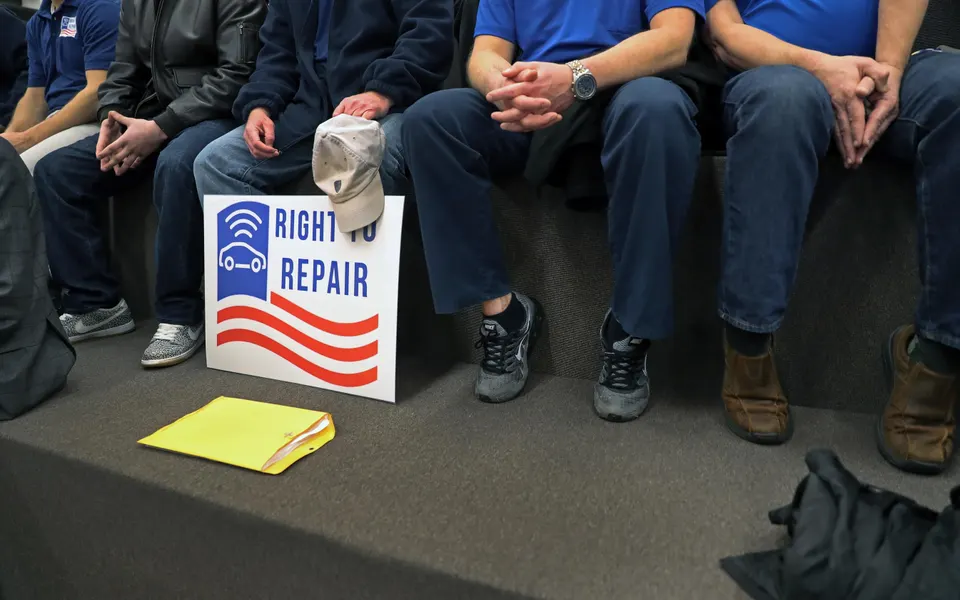
For society, the implications are profound. A repairable economy creates local jobs for independent technicians and lowers the cost of ownership for families. For businesses, it requires a pivot from a “disposable” product model to a “serviceable” one.
Conclusion
The Right to Repair is about more than fixing a cracked screen; it is about reclaiming ownership. As legislation evolves, the balance of power is shifting back to the consumer, forcing global tech giants to rewrite their business models and their warranties.