Street sweepers play an essential role in maintaining clean and safe urban environments; these machines work to efficiently remove debris, dust, and dirt from roadways, contributing to public health and environmental protection. However, like any piece of equipment, street sweepers require regular maintenance to ensure they operate at their best. Proper upkeep not only minimizes downtime but also reduces repair costs and extends the lifespan of the machinery. We’ll explore the key street sweeper maintenance tips for optimal performance, providing practical insights to help operators and maintenance crews keep these vital machines running smoothly.
Regular Inspections for Reliable Operations
Consistent inspections are critical for identifying wear and tear before they escalate into costly repairs. Operators should routinely check areas like hydraulics, mechanical components, and filters to ensure the system is functioning as designed. Pay attention to leaks, unusual noises, or decreases in performance, as these can signal problems needing immediate attention. Neglecting routine inspections could result in the accumulation of debris in the sweeper, clogged systems, or worn-out parts, reducing both efficiency and cleaning ability.
To streamline this process, many municipalities and businesses implement detailed maintenance logs. These logs allow operators to track machinery performance and spot trends that may indicate impending concerns.
Keeping Filters and Hoses in Optimal Shape
Filters and hoses act as crucial components in street sweepers, ensuring that dirt and debris are properly collected without damaging the internal mechanisms of the machine. Over time, filters can become clogged, reducing machine efficiency and increasing engine strain. Similarly, hoses can develop cracks or blockages, compromising the flow of materials and affecting overall performance.
To prevent this, clean and replace filters as specified in the manufacturer’s maintenance guidelines. Hoses, on the other hand, should be inspected for cracks, tears, or loosened connections. Promptly replacing any damaged components ensures smooth operations and minimizes downtime.
The Role of Street Sweeper Brooms
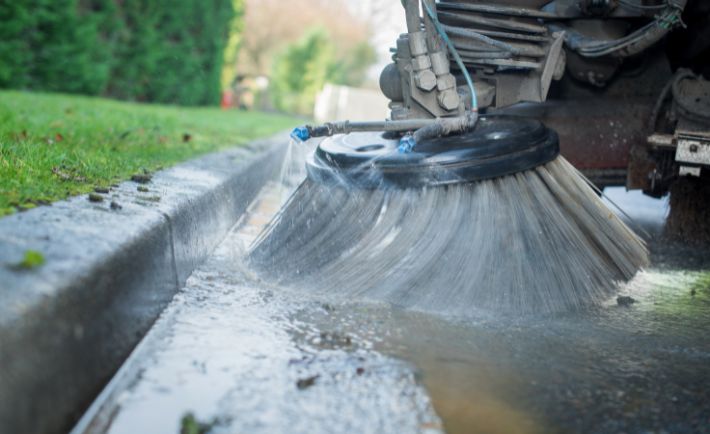
Street sweeper brooms are one of the most essential parts of the equipment, as they are responsible for effectively collecting debris from various surfaces. The condition and type of broom used can significantly impact performance. Over time, brooms may wear down, lose bristle length, or fail to rotate correctly, making them less effective.
It is important to check the level of wear on brooms regularly. If the length of the bristles diminishes too far, they may no longer be effective in touching surfaces evenly, leading to uneven cleaning. Replacing brooms promptly when needed ensures that no debris is left behind during operations and that the sweeper maintains its high standard of cleaning. It’s also crucial that you know the different types of street sweeper brooms for maximum work efficiency. Not every broom is ideal for every job, so it’s to your benefit to understand the best solutions to different scenarios.
Maintaining Hydraulic Systems
Most street sweepers rely heavily on hydraulic systems to power components, such as brooms, blowers, and conveyor systems. Keeping these hydraulic components in good condition is vital for the machine’s overall functionality; regularly monitor hydraulic fluid levels to ensure adequate lubrication of moving parts. Also, check for leaks, as they not only compromise performance but can lead to environmental contamination if left untreated.
Hydraulic filters should also be replaced according to the manufacturer’s recommendations. A clogged filter can reduce the efficiency of the hydraulic system and lead to overheating, which greatly diminishes performance over time.
Properly Managing the Hopper
The hopper is where debris collected by the street sweeper is stored before disposal. A clean and properly functioning hopper is essential for maintaining the sweeper’s overall efficiency during operations. Overfilling or ignoring the hopper can lead to blockages, internal damage, and reduced system performance.
After each operation, it is vital to empty the hopper and clean it thoroughly to avoid material buildup. This can prevent odors, corrosion, or structural damage caused by prolonged exposure to certain types of debris. Inspecting the hopper for any cracks or signs of wear is also vital to avoid operational disruptions.
Tire Care for Smooth Operations
Street sweeper tires endure significant wear due to the heavy loads and constant engagement with various terrains. While they are built to be durable, you should never overlook tire maintenance. Proper inflation levels are key to efficient operations since underinflated or overinflated tires can affect the sweeper’s maneuverability and fuel efficiency.
Checking for damage such as cuts, punctures, or uneven tread wear is another important practice. Worn tires can also negatively impact the machine’s stability and performance. By replacing tires when necessary, you help ensure safe, smooth operations and reduce wear on suspension and axle systems.
Regular Cleaning and Lubrication
One of the most basic yet effective practices to maintain peak performance is regular cleaning and lubrication of the machine. Dust and debris can accumulate even in the smallest crevices of a street sweeper, causing unwanted wear and reducing the efficiency of moving parts.
After completing daily operations, thoroughly wash the exterior and working components. Regular lubrication of movable parts, such as axles, bearings, and broom mounts, helps reduce friction and prolongs the life of your equipment. This preventative step combats rust and ensures all components work seamlessly together during use.
Training Operators on Proper Usage
Even the best-maintained street sweeper can fail to perform if operated improperly. Holding training sessions for all operators to ensure they understand how to use the machine correctly is essential. Proper usage includes understanding sweeping patterns, being gentle with controls to avoid unnecessary strain, and recognizing when the machine requires maintenance.
When operators are knowledgeable and adhere to best practices, it reduces the likelihood of accidental damage, operational errors, or inefficient cleaning, ultimately extending the useful life of the equipment.
Ensure Proper Maintenance
Maintaining a street sweeper is a multi-faceted effort that involves regular inspections, proactive repairs, and proper training. By dedicating time to address key components such as filters, brooms, hydraulics, and tires, you can ensure optimal performance and extend the life of the equipment. Consistent care isn’t just a matter of improving efficiency, it plays a crucial role in keeping streets clean, protecting the environment, and maximizing the overall value of the machine.