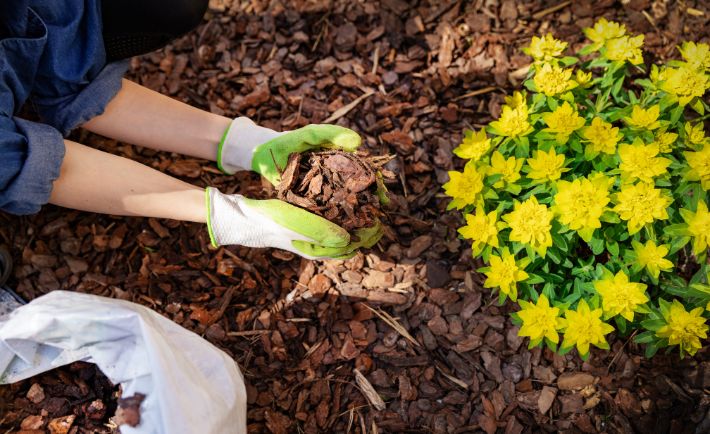
Landscaping plays a major role in how people experience a business property. Whether it’s a retail center, medical campus, or office park, the exterior design shapes first impressions long before visitors walk through the door. A well-maintained landscape shows attention to detail, and mulch is one of the simplest ways to achieve that polished look while improving plant health and soil quality.
Choosing the right mulch involves more than just selecting a color or texture. It affects how well your plants grow, how often you need maintenance, and how your property looks throughout the year. The right type of mulch supports moisture control, temperature balance, and weed prevention, all while enhancing curb appeal. Follow these tips to help you find the right mulch for your commercial landscaping.
Understanding What Mulch Does
Mulch covers the soil around trees, shrubs, and flower beds. It acts as a protective layer that keeps the soil cool in summer, warm in winter, and evenly moist throughout changing conditions. Organic mulches—such as wood chips, shredded bark, pine needles, and compost—break down over time and add nutrients back into the soil. Inorganic options—like rubber, gravel, or stone—don’t decompose, making them a longer-lasting choice for high-traffic or low-maintenance areas.
The decision between organic and inorganic mulch depends on the property’s goals. Organic mulch improves soil health and plant growth but requires periodic replacement. Inorganic mulch lasts longer but doesn’t feed the soil. Many property managers use a combination of both to balance aesthetics and performance.
Considering Appearance and Function

Every type of mulch has its own look and feel. Shredded hardwood gives a natural, uniform texture that works well in most commercial landscapes. Pine bark nuggets create a rustic appearance and allow excellent drainage, while dyed mulches come in shades like black, brown, or red for strong visual contrast against greenery.
Appearance matters, but performance should guide the decision. Some mulches fade faster under sunlight, while others hold color longer. Darker mulches absorb heat and may dry out plants during hot months, whereas lighter ones reflect sunlight and help maintain cooler soil. The best mulch supports plant health and blends with the surrounding architecture and landscape design.
Matching Mulch to the Landscape Environment
Different parts of a commercial property experience different levels of sun exposure, moisture, and foot traffic. Each of these factors influences which mulch works best. For example, shaded areas often stay damp, so a mulch that drains well—like pine bark or cedar—helps prevent mold growth. In sunny spots, shredded hardwood or composted mulch retains moisture better and supports plant roots.
Areas near sidewalks, parking lots, or playgrounds need durable materials that resist displacement. Rubber or stone mulch works well in these zones because it doesn’t blow away or wash out easily. However, these materials can heat up during the summer, so they should stay clear of sensitive plants or tree roots.
If your landscape includes sloped beds or water runoff areas, shredded mulch holds in place better than nuggets or gravel. Choosing the right texture helps prevent erosion and keeps the mulch layer consistent across the property.
Balancing Maintenance and Cost
Budget always plays a role in landscape decisions. While mulch itself may seem inexpensive, the cost of installation and replacement adds up over time. Organic mulches need periodic replenishing because they break down into the soil. Inorganic mulches last much longer, but their initial cost can be higher.
Commercial property managers often weigh cost against maintenance time. For example, hardwood mulch offers great performance but may need touch-ups every season. Rubber or rock mulch costs more up front but rarely needs replacement. Some properties alternate between materials—using organic mulch near plants for soil improvement and inorganic mulch in high-traffic areas for durability.
Labor efficiency also matters. Mulch that’s easy to spread and maintain saves time for grounds crews. Shredded mulch distributes evenly and forms a smooth surface, while large nuggets or stones take longer to place and edge neatly.
Environmental Impact
Sustainability has become a key consideration in commercial landscaping. Mulch selection affects water use, waste reduction, and soil health. Organic mulch naturally decomposes and supports the ecosystem beneath it, but it requires responsible sourcing to avoid contributing to deforestation. Using recycled wood products or local materials can reduce the environmental footprint.
Inorganic mulch has a longer lifespan but doesn’t improve the soil or promote biological activity. However, rubber mulch made from recycled tires offers an environmentally conscious option that repurposes waste material. The key is to evaluate the entire lifecycle of the mulch—production, installation, maintenance, and eventual replacement.
Longevity and Seasonal Performance
Commercial properties experience constant exposure to weather, and mulch performance changes with the seasons. In regions with heavy rainfall, mulch that resists compaction and mold—such as cedar or cypress—works best. In dry climates, fine-textured mulch that locks in moisture helps plants stay hydrated.
Some types of mulch, like dyed wood chips, retain color for several months but may fade faster under intense sunlight. Undyed hardwood mulch fades naturally to a soft gray but holds texture longer. Seasonal maintenance involves topping off areas that thin out, turning compacted mulch to restore airflow, and removing debris that could trap excess moisture.
Because public landscapes must stay neat year-round, property managers often schedule mulching around spring and fall. These periods help refresh the appearance before peak growing seasons and after heavy use during summer.
Safety and Accessibility
Safety considerations extend beyond aesthetics. Mulch that migrates onto sidewalks or pathways can create slip hazards. Heavier mulches or those with interlocking textures stay in place better. Proper edging along walkways and curbs keeps mulch contained and defines planting beds for a cleaner look.
Accessibility also matters in commercial spaces. Areas that accommodate wheelchairs, carts, or strollers should use firm surfaces and avoid loose materials that shift under pressure. Rubber mulch provides a resilient yet stable surface, making it a good choice near play areas or seating spaces.
Mulching a Commercial Property Properly
The process of mulching a commercial property properly starts with preparation. Crews clear weeds, level the soil, and spread mulch evenly at a consistent depth—usually two to three inches. Applying too much can suffocate roots and block water from reaching the soil, while too little fails to retain moisture or suppress weeds.
Even distribution gives the landscape a polished, professional appearance. Around trees, mulch should form a wide ring but stay a few inches away from the trunk to prevent rot. In flower beds, maintaining a uniform layer reduces evaporation and stabilizes soil temperature.
Regular upkeep keeps the mulch layer functional and attractive. Over time, organic mulch settles or decomposes, so crews add new material as needed without letting the total depth become excessive. Turning the top layer occasionally helps prevent matting and promotes better water absorption.
Creating a Professional Look That Lasts
The right mulch can transform a commercial property by unifying plant beds, walkways, and open areas into a cohesive design. Color and texture selection should complement building materials, signage, and other landscape elements. For instance, dark brown mulch adds warmth around brick or stone structures, while lighter shades brighten modern concrete settings.
Consistency across the property creates visual harmony and communicates attention to detail. Mulch also defines transitions between lawns, plants, and paved areas, giving the entire landscape a finished look. Because commercial sites represent a brand or organization, maintaining a clean and well-balanced appearance supports a positive impression with clients and visitors.
Choosing the Right Supplier
Reliable suppliers provide consistent mulch quality, accurate volume estimates, and timely delivery. Commercial projects often require large quantities, so working with vendors who specialize in bulk materials saves time and reduces logistical challenges. Asking about material origin and dye safety helps confirm that the mulch meets environmental and aesthetic standards.
Some suppliers offer installation services, which can streamline maintenance schedules and guarantee even application. Whether you choose local wood mulch, recycled materials, or synthetic options, consistency in size, color, and composition leads to better long-term results.
Final Landscaping Thoughts
Mulch does more than make a landscape look neat—it supports the health, safety, and sustainability of commercial properties. Choosing the right type and applying it correctly affects how plants grow, how much water the soil retains, and how much time and money go into maintenance.
Commercial landscaping thrives when appearance and practicality work together. By selecting materials suited to climate, soil, and traffic patterns, property managers can maintain vibrant outdoor spaces that stay attractive and functional throughout the year. Thoughtful mulch selection and upkeep create landscapes that stand out for the right reasons—clean, professional, and built to last.