
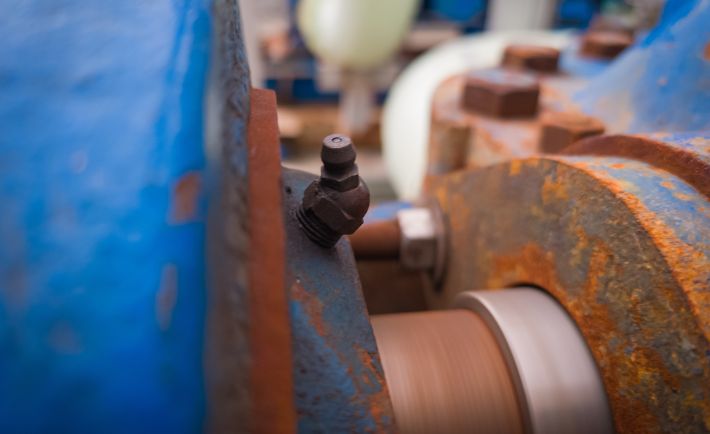
Corrosion is often described as a slow and silent destroyer. It creeps into metal surfaces, weakens structures from within, and quietly drains operational budgets. While rust on a railing or discoloration on equipment might seem minor at first glance, the long-term financial and structural consequences of corrosion can be severe. For businesses in manufacturing, construction, transportation, utilities, and marine industries, corrosion is more than a cosmetic issue. It is a direct threat to safety, productivity, and profitability.
Understanding the true cost of corrosion and why preventive maintenance matters will help you enhance your operations and ensure that you’re not a victim of unnecessary downtime.
The Hidden Financial Impact of Corrosion
Corrosion carries both visible and hidden costs. The obvious expenses include repairing or replacing damaged equipment, structures, and components. Steel beams, pipelines, storage tanks, machinery parts, and vehicles all degrade over time when exposed to moisture, chemicals, or harsh environmental conditions. Replacing these assets prematurely can significantly disrupt capital budgets.
Less obvious costs often have an even greater impact. Production downtime caused by equipment failure can halt operations entirely. Delays in manufacturing schedules, missed project deadlines, and halted transportation services all translate into lost revenue. In industries where margins are tight and competition is strong, unplanned downtime can severely impact profitability.
Insurance premiums may also increase if corrosion leads to accidents or claims. In some cases, regulatory fines and legal liabilities arise when corroded infrastructure fails and causes environmental or safety incidents. When all these factors are combined, corrosion becomes a major economic burden.
Structural Integrity and Safety Risks
Beyond financial implications, corrosion poses serious safety risks. As metal deteriorates, its structural integrity weakens. Load-bearing beams, bridges, pipelines, and storage tanks can fail unexpectedly if corrosion is left unchecked. What may begin as surface rust can evolve into deep pitting and thinning that compromises strength.
In industrial settings, corroded equipment parts may fracture under stress, creating hazardous conditions for workers. In transportation industries, corrosion can weaken vehicle frames or braking systems. In marine environments, hull corrosion can jeopardize vessel safety.
Preventative maintenance plays a crucial role in identifying early signs of deterioration before structural failure occurs. Routine inspections allow maintenance teams to address minor corrosion issues before they become catastrophic events.
Environmental and Operational Factors
Corrosion does not occur randomly. It is driven by environmental exposure and operational conditions. Moisture, salt, chemicals, extreme temperatures, and pollutants accelerate the corrosion process. Coastal facilities, chemical plants, wastewater treatment facilities, and industrial manufacturing sites are particularly vulnerable.
Operational practices also contribute. Improper cleaning procedures, inadequate drainage, poor ventilation, and insufficient protective coatings can increase exposure to corrosive elements. Even small design flaws, such as areas where water can pool, may speed up material degradation.
Understanding these contributing factors allows businesses to implement preventative measures tailored to their environment. Without this awareness, corrosion may spread unchecked across assets and infrastructure.
The True Cost of Reactive Maintenance
Many organizations adopt a reactive approach to maintenance. Equipment is repaired only after it fails. While this strategy may seem cost-effective in the short term, it often leads to significantly higher long-term expenses.
Reactive maintenance means emergency repairs, rushed part replacements, and unexpected downtime. Emergency services typically cost more than scheduled maintenance, and expedited shipping for replacement components can increase expenses further. In addition, reactive maintenance can shorten the lifespan of equipment because issues are allowed to progress to advanced stages before intervention.
Preventative maintenance, by contrast, focuses on addressing corrosion early. It allows businesses to schedule repairs during planned downtime, control costs, and extend the useful life of critical assets.
Solutions to Prevent Corrosion
Protective coatings are one of the most effective tools in corrosion prevention. Industrial paints, epoxy coatings, powder coatings, and galvanization create barriers that shield metal surfaces from moisture and corrosive chemicals. Urethane is one such coating that provides strong corrosion protection among other benefits.
Cathodic protection systems are commonly used in pipelines, storage tanks, and marine environments. These systems use electrical currents to reduce the electrochemical reactions that cause corrosion. When properly designed and maintained, cathodic protection significantly slows material degradation.
Material selection also plays a key role. Choosing corrosion-resistant alloys or stainless steel in high-risk environments can reduce long-term maintenance costs. While these materials may have higher upfront costs, they often provide greater durability and lower lifecycle expenses.
Environmental control measures, such as improving drainage, reducing humidity, and installing protective shelters, further minimize exposure to corrosive elements. Combined with employee training and proper maintenance scheduling, these solutions form a strong defense against corrosion.
The Role of Inspections and Monitoring
Effective preventative maintenance depends on consistent monitoring. Inspections should be scheduled regularly and conducted by trained professionals who understand corrosion patterns and risk factors.
Advanced technologies now support corrosion monitoring efforts. Ultrasonic thickness testing, infrared imaging, and corrosion sensors provide data that helps maintenance teams assess material condition without dismantling equipment. These tools allow for precise detection of thinning metal and hidden corrosion beneath coatings.
By using data-driven monitoring systems, organizations can make informed decisions about repair timing and resource allocation. This predictive approach reduces guesswork and enhances maintenance efficiency.
Regulatory Compliance and Industry Standards
Many industries operate under strict regulatory requirements related to structural integrity and safety. Corrosion can place organizations at risk of non-compliance if inspections and maintenance are neglected.
For example, pipelines, pressure vessels, and storage tanks must meet specific standards to prevent leaks and environmental contamination. Transportation infrastructure must adhere to safety codes to protect public welfare. Failing to manage corrosion properly can result in costly penalties and reputational damage.
Preventative maintenance programs demonstrate a commitment to safety and compliance. Maintaining detailed records of inspections, repairs, and protective measures can also provide documentation in the event of audits or investigations.
Long-Term Financial Planning and Risk Management
Preventative maintenance should be viewed as an investment rather than an expense. Allocating budget toward corrosion prevention reduces the likelihood of large, unexpected capital outlays later. It also provides predictability in financial planning.
Risk management strategies often include corrosion control as a key component. Identifying high-risk assets, prioritizing inspections, and implementing protective measures reduce operational vulnerability. This proactive approach strengthens business continuity and minimizes disruption.
Organizations that incorporate corrosion prevention into their long-term strategy are better positioned to maintain stable operations, control costs, and protect their workforce.
Building a Culture of Prevention
Successful corrosion management goes beyond equipment and coatings. It requires a cultural shift within the organization. Leadership must emphasize the importance of preventative maintenance and provide the resources necessary to support it.
Training employees to recognize early signs of corrosion encourages prompt reporting and intervention. Clear maintenance schedules, accountability systems, and cross-department communication ensure that corrosion risks are not overlooked.
When preventative maintenance becomes part of the organizational mindset, corrosion control becomes more effective. Instead of reacting to failures, teams anticipate and prevent them.
Prevention Protects Profitability
Corrosion may be inevitable, but its impact does not have to be devastating. The cost of corrosion extends far beyond rusted surfaces. It affects operational efficiency, safety, regulatory compliance, and long-term financial stability.
Preventative maintenance offers a practical and cost-effective solution. Through routine inspections, protective coatings, environmental controls, and proactive planning, organizations can significantly reduce corrosion-related damage. The result is longer-lasting equipment, fewer disruptions, and stronger financial performance.
In the end, addressing corrosion early protects more than metal. It protects people, productivity, and profitability.