
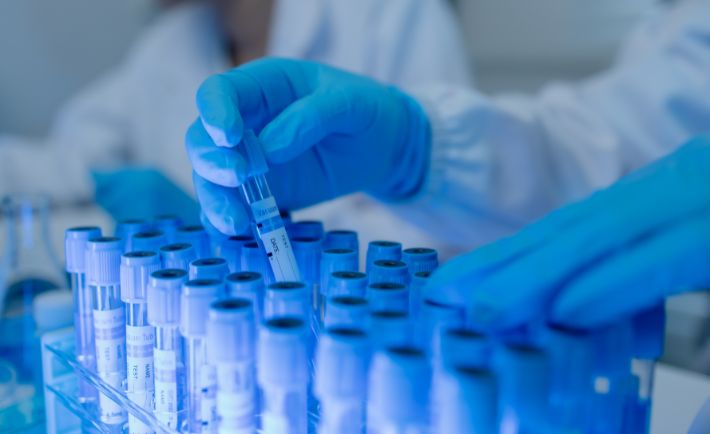
In a lab, precision is everything. Researchers spend countless hours on experiments, where every detail matters. But a tiny, unseen mistake can derail an entire project. This mistake is cross-contamination, the accidental transfer of substances or microorganisms from one sample to another. It can ruin data, waste resources, and even create safety hazards.
By recognizing the grave risks, labs can take steps to protect their work. Implementing strict protocols and ensuring everyone follows them is key to maintaining a sterile environment.
Invalidated Research and Data Retraction
One of the most immediate and damaging outcomes of cross-contamination is the invalidation of research results. When there’s a contaminated sample, the data it produces is no longer reliable. This result can force researchers to retract their findings, which is a severe blow to their credibility and the reputation of their institution.
Imagine a team of scientists studying cancer cells. If a sample of non-cancerous cells accidentally mixes in, the experiment might show that a potential new drug is ineffective. This situation could lead the team to abandon a promising treatment, all because of a small contamination event.
Retracting a published study is a complicated process. It requires admitting a significant error and can damage a scientist’s career. Other researchers may already have begun building their own work on the flawed data, leading to a domino effect of wasted resources across the scientific community. Preventing cross-contamination is essential to ensure that research is accurate and trustworthy.
Wasted Time and Financial Losses
Lab work is expensive. Equipment, materials, and salaries of skilled researchers all add up. When cross-contamination occurs, it often means experiments will need to happen again, sometimes multiple times. This consequence directly increases project costs and can drain a lab’s budget.
Consider a lab that uses DNA sequencing to study genetic disorders. Each sequencing run can cost thousands of dollars. If DNA from another source contaminates the sample, the entire run is useless. The lab must then spend more money to repeat the process, delaying the project and consuming valuable resources. These financial losses can be especially tough for smaller labs or those with limited funding.
Beyond the direct costs, there is also the loss of time. Scientific research is a race against time to make discoveries or develop new technologies. Delays caused by repeating experiments can mean a competitor gets there first.
For graduate students or postdoctoral researchers, these delays can impact their careers, as they need to publish results to advance. The consequences of cross-contamination in labs include significant setbacks that affect both the financial health and the progress of a research team.
Diagnostic Errors and Health Risks
In clinical and medical labs, cross-contamination can have severe consequences for patient health. These labs handle patient samples to diagnose diseases, and any error can lead to a wrong diagnosis. This mistake could mean a patient gets treatment for a condition they do not have, or worse, a serious illness goes undetected.
For example, in a microbiology lab, if a sample from a patient with a bacterial infection contaminates a sample from a healthy patient, the healthy person might be incorrectly diagnosed with a disease. They could then receive unnecessary antibiotics, which can have side effects and contribute to antibiotic resistance. On the other hand, if there’s a contaminated sample that masks the presence of a pathogen, a sick patient might be told they are fine, delaying critical treatment.
The risk is not just for patients. Lab workers can also expose themselves to hazardous materials if contamination becomes uncontrolled. A spill or improper handling of a sample containing a dangerous virus or bacteria could lead to an infection. This risk is why following safety protocols is so essential to protect everyone in the lab.
How to Prevent Cross-Contamination
Given the serious risks, preventing cross-contamination is a top priority in any lab and requires a combination of good practices, appropriate equipment, and a culture of care. Simple steps can make a big difference in maintaining a lab environment’s sterility.
One of the most basic practices is to use separate equipment for different samples whenever possible. This approach is especially true for tools that come into direct contact with samples, like pipette tips and scissors. Regular and thorough cleaning of all lab surfaces and equipment is also essential. Using disinfectants that are effective against a wide range of microorganisms helps eliminate potential sources of contamination.
For more specific tasks, labs can implement stricter protocols. For example, when working with DNA, it is common to have separate areas for pre-PCR and post-PCR activities to prevent contamination of samples with amplified DNA. Similarly, using tools designed to minimize contamination, such as specialized lab scissors, can be effective. Assigning specific instruments to specific tasks and following proper cleaning procedures can significantly reduce risks.
Building a Culture of Prevention
Ultimately, technology and protocols are only as good as the people using them. Creating a culture in which every lab member understands the importance of preventing contamination is crucial, and starts with thorough training for all new staff and regular refreshers for everyone. Lab managers should lead by example, always following the rules and encouraging open communication about potential issues before they get worse.
Checklists and clear visual reminders can also help reinforce good habits. Posting cleaning schedules and protocol reminders in visible places keeps everyone on the same page. By making prevention a shared responsibility, labs can create a strong defense against contamination. The consequences of cross-contamination in labs are too severe to ignore, and a collective effort is the best way to avoid them.
Protect Your Research
The impact of cross-contamination in labs is far-reaching. It can invalidate research, waste money, and even pose health risks. For anyone working in a lab, from students to seasoned researchers, understanding these risks is the first step toward preventing them. By implementing strict protocols, using the right tools, and fostering a culture of diligence, labs can protect the integrity of their work.
Taking the time to double-check procedures, properly clean equipment, and maintain a sterile environment is not just about following rules. It is about ensuring that scientific research is accurate, reliable, and makes a positive impact on the world. The effort invested in preventing contamination is a small price to pay for the confidence that comes with knowing your results are sound.