
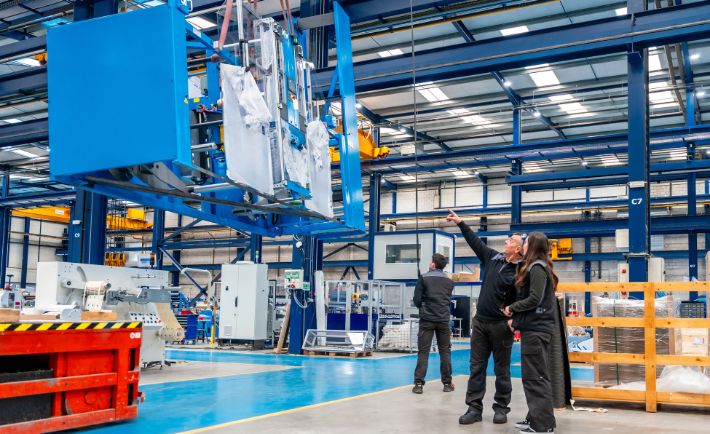
Relocating an industrial plant is a complex process with many moving parts, both literally and figuratively. Whether you’re shifting operations across town or across the country, the success of this endeavor relies heavily on meticulous planning, clear communication, and skilled execution. Knowing how to prepare for an industrial plant relocation can mean the difference between an efficient transition and costly downtime. This guide will walk you through the ten essential steps to make your plant relocation as smooth as possible.
Start With a Comprehensive Assessment
The first step in preparing for an industrial plant relocation is conducting a thorough assessment of your current facility and equipment. You need to evaluate what you need to relocate, what can stay behind, and what you might need to replace altogether. This step is crucial because it sets the foundation for every decision you’ll make moving forward. List each piece of equipment, its condition, and its role in your operations. Having a clear picture ensures you won’t waste resources moving obsolete or non-functional machines.
Also, assess the space and layout of the new site. Pay special attention to power requirements, ventilation needs, and workflow patterns.
Develop a Detailed Project Plan
Once you’ve completed your assessment, it’s time to create a project plan. This plan should outline every step of the relocation process, from start to finish. Your project plan should answer critical questions like when you’ll move each piece of equipment, who is responsible for specific tasks, and how you expect the relocation to take.
Set clear milestones to monitor progress. For example, you might set a goal for completing the dismantling phase by a specific date. Establishing timelines will ensure accountability and help your team stay on track.
Establish a Realistic Budget
Relocating an industrial plant is a significant investment, and developing a realistic budget is essential to avoid financial surprises. Your budget should account for everything from equipment transportation to packaging materials and permit fees to expert consultations. It’s also wise to allocate funds for unexpected expenses, as issues can sometimes arise mid-relocation. Keeping your budget transparent helps align your team’s priorities, ensuring spend remains controlled throughout the process.
Assemble a Skilled Relocation Team
Every successful plant relocation relies on the people behind it. Assemble a team that includes internal staff, project managers, and external specialists who can bring expertise to the table. Your internal team understands the ins and outs of your operations, but professional relocation experts will make a huge difference when it comes to mechanical and logistical precision.
One of the reasons why you should hire machine movers when relocating is their expertise in handling heavy and complex equipment. They provide the technical know-how to ensure they dismantle, transport, and reassemble specialized machinery properly.
Communicate Clearly and Consistently
Clear communication is a critical component of a successful relocation. From employees and contractors to customers and stakeholders, everyone involved needs to understand the who, what, when, and where of the process. Start communicating your relocation plans early and revisit updates regularly.
Internally, hold team meetings to clarify roles, expectations, and timelines. Externally, inform your suppliers, clients, and any other relevant parties about how the relocation may impact them. Regular updates reduce confusion, foster trust, and make it easier to manage expectations throughout the process.
Secure Necessary Permits and Approvals
Depending on where you’re relocating, you may need permits and approvals to transport large equipment, modify the new space, or meet safety regulations. Look into zoning laws, environmental restrictions, and building codes at the new site as early as possible. If you’re crossing state or national borders, don’t forget to review transportation and customs requirements.
Working closely with regulatory bodies ensures compliance and prevents unnecessary delays. If you’re unsure of the type of permits you’ll need, hiring consultants familiar with industrial relocations can be a lifesaver. It’s better to spend time upfront sorting out details than dealing with hefty fines or roadblocks later.
Prepare the Destination Site
Before moving your equipment to its new location, make sure the destination site is ready to welcome it. This preparation means more than just clearing space; it includes ensuring the site has the right infrastructure to support your machinery and processes. Check that utilities like power, water, and internet are connected and functioning as required.
Take the opportunity to make upgrades if needed. For instance, new wiring or reinforced flooring may be necessary for certain machines. Getting everything in place beforehand reduces downtime and ensures a smoother transition once your equipment arrives.
Carefully Dismantle and Pack Equipment
The dismantling and packing phase is one of the most technical and time-intensive parts of a plant relocation. Properly dismantling your machinery ensures it won’t incur damage during transport. Work with experts to disconnect components, label parts, and package everything securely. These steps make reassembly at the new site much easier.
Using custom crates and padding protects sensitive equipment from vibrations or impact damage during transport. Clearly labeling each package will help your team quickly identify and assemble items at the new plant. This level of care during the packing process can prevent costly repairs or project delays down the line.
Transport Equipment Safely and Efficiently
Once everything is packed and ready to go, focus on the transportation phase. Whether you’re moving heavy machinery across the city or overseas, work with experienced logistics providers who specialize in industrial relocations. They’ll ensure your equipment is properly loaded, secured, and transported to its destination.
Tracking systems offer real-time visibility into your shipment, allowing you to monitor progress and prepare for any unforeseen obstacles. Safe and efficient transport preserves the integrity of your equipment and keeps your timeline on track.
Reassemble and Calibrate Equipment
The final step in your industrial plant relocation is reassembling and calibrating your equipment in its new home. Once you have everything unloaded, bring in your team of technicians to reassemble the machinery. Follow the labeling and documentation from the dismantling phase to streamline this process. After reassembly, run thorough calibrations to ensure every piece of equipment is functioning at optimal levels.
Learning how to prepare for an industrial plant relocation may seem like a monumental task, but with the right preparation, you can streamline processes and enhance your operations. By following these ten steps, you’ll set your team up for success and ensure your equipment and team are ready to thrive in their new environment.