
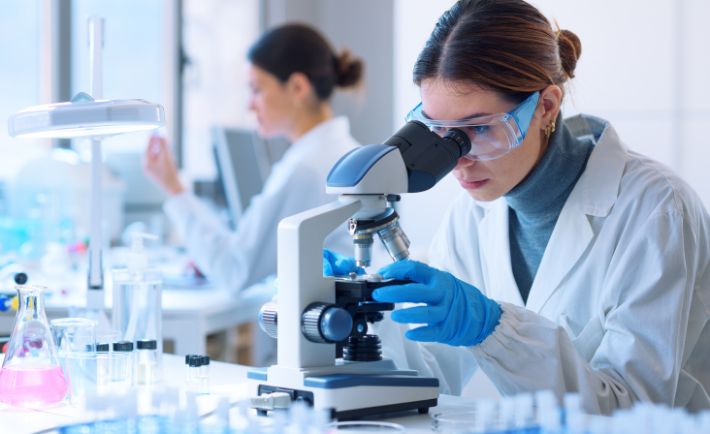
Modern laboratories are complex environments where precision is paramount. Even minor issues can impact experimental outcomes. Researchers must manage everything from funding constraints and regulatory compliance to the technical intricacies of their experiments. Effectively addressing these challenges ensures that research remains productive, reliable, and impactful. Let’s explore some of the top challenges in laboratory research and their solutions.
Funding and Resource Allocation
Securing adequate funding is one of the most persistent challenges in scientific research. Competition for grants is fierce, and the application process is often lengthy and demanding. Limited budgets can restrict a lab’s ability to purchase necessary equipment, hire skilled personnel, and obtain high-quality reagents. This scarcity forces researchers to make difficult decisions about which projects to prioritize, potentially slowing down or halting promising lines of inquiry.
A proactive approach to financial management is the best solution. Diversifying funding sources by applying to a mix of government, private, and foundational grants can increase the chances of success. Collaborating with other institutions can also open doors to shared resources and joint funding opportunities. Inside the lab, implementing lean management principles optimizes the use of existing resources, reduces waste, and extends the budget.
Data Management and Reproducibility
The volume of data generated in modern research is immense. Managing, storing, and analyzing this data presents operational challenges. Without robust data management systems, information can get lost, misinterpreted, or disorganized, which wastes time and effort. It also makes it harder for other laboratories to reproduce experiments, a cornerstone of the scientific method.
Implementing a comprehensive data management plan is essential. This includes establishing clear protocols for data collection, naming conventions, and storage. Using electronic lab notebooks and laboratory information management systems (LIMS) centralizes data and ensures its integrity.
Keeping Up With Technological Advances
Technology in the laboratory is constantly evolving. New instruments and analytical techniques offer greater precision, speed, and capabilities. While these advancements can accelerate research, they also present challenges. The cost of acquiring new technology can be prohibitive, and training personnel to use it effectively requires time and resources. Labs that fail to keep pace with technological changes may find their research methods become outdated, limiting their competitiveness.
Labs should develop a long-term technology strategy. This involves regularly evaluating current equipment and identifying future needs. Attending industry conferences, reading scientific journals, and participating in webinars can keep researchers informed about new technologies. Building relationships with equipment vendors can also lead to opportunities for demonstrations, trial periods, and favorable purchasing terms.
Sample Preparation and Handling
The quality of experimental results depends largely on the quality of the samples being analyzed. Improper sample preparation is a frequent source of error that can invalidate an entire study. Issues such as contamination, incorrect dilutions, and sample degradation can result in inaccurate and unreliable data. Sample handling procedures are among the most common sources of errors in chemical analysis.
Strict, standardized protocols for sample preparation and handling are the most effective solutions. This includes using proper personal protective equipment (PPE) to prevent contamination, calibrating instruments such as pipettes regularly, and using high-purity reagents. Documenting every step of the preparation process ensures consistency and traceability. Proper training for all lab personnel on these standardized operating procedures (SOPs) is crucial for minimizing human error.
Regulatory Compliance and Safety
Laboratories are subject to a wide range of regulations designed to ensure safety, ethical conduct, and environmental protection. Navigating this complex regulatory landscape can be a burden. Keeping up with changes in regulations and ensuring the lab remains compliant requires vigilance and administrative effort. Noncompliance can result in fines, legal action, and damage to the institution’s reputation.
Establishing a dedicated safety and compliance officer or committee can help manage these responsibilities. Regular staff training sessions are essential to ensure everyone follows safety protocols. Conducting routine internal audits helps identify and address potential compliance issues before they become serious problems. Maintaining thorough documentation of safety procedures, training records, and incident reports is also a critical component of a robust compliance program.
Time Management and Project Deadlines
Research projects are often complex and long-term, involving multiple stages and experiments. Managing these projects effectively to meet deadlines is a constant challenge. Delays can occur for many reasons, including unexpected experimental results, equipment failure, or supply chain issues. Poor time management can cause rushed work, increased stress, and a higher likelihood of errors.
Implementing project management tools and techniques can improve efficiency. Tools such as Gantt charts or specialized project management software can help researchers plan their workflows, set realistic timelines, and track progress. Breaking down large projects into smaller, manageable tasks can make them less daunting and easier to manage. Regular team meetings to discuss progress and address roadblocks can also help keep projects on track.
Collaboration and Communication
Effective collaboration and communication are vital for a productive research environment. Misunderstandings between team members can lead to mistakes and duplicated efforts. Ensuring that everyone is on the same page can be particularly challenging in larger, interdisciplinary projects. A lack of open communication can stifle creativity and hinder problem-solving.
Fostering a culture of open and respectful communication is key. Regular team meetings provide a forum for sharing updates, discussing challenges, and brainstorming solutions. Using collaboration tools such as shared documents and communication platforms can facilitate seamless information exchange. Clearly defining roles and responsibilities for each team member prevents confusion and ensures accountability. Encouraging cross-disciplinary interactions can also spark new ideas and foster a more innovative research environment.
Staffing and Skill Development
A successful lab depends on a skilled and motivated team. Recruiting and retaining talented researchers can be difficult, especially in competitive fields. Furthermore, science is always advancing, which means lab personnel must continually update their skills and knowledge. Providing opportunities for professional development is crucial for individual growth and the overall success of the lab.
Laboratories should offer a positive work environment, competitive compensation, and opportunities for career advancement to attract and retain talent. A structured onboarding process can help new hires integrate quickly and effectively. To promote skill development, labs can adhere to these best practices:
- Encourage attendance at workshops and conferences.
- Provide access to online courses and training materials.
- Support mentorship programs within the lab.
- Facilitate regular knowledge-sharing sessions among team members.
Advancing Scientific Research
Proactively addressing issues related to funding, data management, technology, and more, can allow researchers to create a more efficient and effective environment for discovery. Solving the top challenges in laboratory research is about building a resilient and forward-thinking research culture. A proactive mindset enables scientists to push the boundaries of knowledge and deliver breakthroughs that benefit society.