
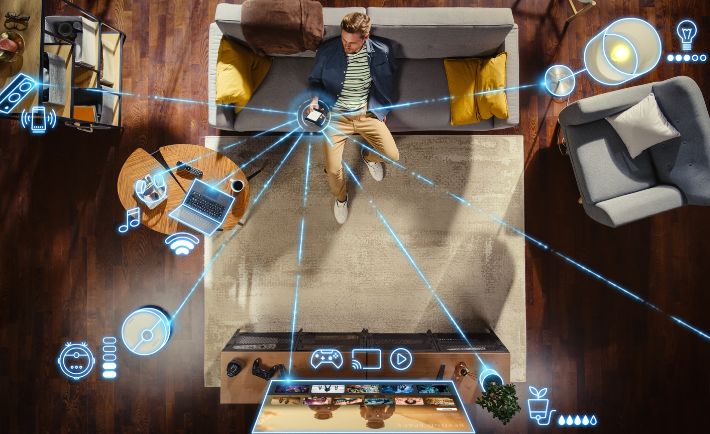
Technology fills our homes with convenience and endless connection. At the same time, comfort shapes how we recharge and ground ourselves in our space. Many people chase smarter homes but forget to design spaces that actually feel good to live in.
You can create a home that supports innovation and well-being with intentional choices and a little strategy. Let’s explore how to balance technology and comfort at home.
Design a Tech-Friendly Layout That Still Feels Human
You should place your devices where they support your daily habits instead of disrupting them. A clean layout reduces visual noise and helps your mind stay calm even when screens surround you. Keep high-use tech within reach, but avoid stacking multiple devices in one cluttered zone. Thoughtful placement allows your space to feel open and functional.
Furniture plays a considerable role in how tech integrates into your home. Choose desks, stands, and shelves that hide cables and support ergonomic posture. Comfortable seating encourages longer focus sessions without strain or fatigue. Your tech becomes an asset instead of a distraction when your layout works with your body.
Control Screen Time Without Losing Convenience
Hot take: you can absolutely enjoy technology without letting it dominate your entire routine. Set clear boundaries for when and where you use screens, especially in spaces meant for rest. Bedrooms benefit from minimal tech presence, which helps your brain associate the space with sleep. Living areas can host entertainment, but you should still create moments that don’t involve screens.
Smart tools can actually help you limit usage when used correctly. Use built-in timers, app blockers, or scheduled downtime features to stay intentional. These tools allow you to stay productive while still protecting your mental energy. Balance doesn’t mean removing tech; it means using it with intention.
Build Comfort Into Your Smart Home Setup
Smart homes often focus on efficiency, but comfort deserves equal attention. Lighting, temperature, and sound all affect how your home feels throughout the day. Use smart bulbs to adjust brightness and color temperature based on your mood or time of day. Warm lighting in the evening can help you wind down while cooler tones keep you alert during work hours.
Temperature control also plays a major role in comfort. Smart thermostats let you fine-tune your environment without constant adjustments. You can create schedules that match your routine and keep your home consistently comfortable. When your environment supports your body, your tech enhances your lifestyle instead of overwhelming it.
Reduce Tech Stress With Better Organization
Messy cables and scattered devices create unnecessary stress in your space. You should group similar devices together and label cords to avoid confusion. Cable management systems keep everything neat while improving safety and accessibility. A clean setup makes your home feel more relaxing and easier to maintain.
Decluttering also improves how you interact with your devices. Remove gadgets you no longer use and focus on tools that truly add value. Too many devices can create decision fatigue and reduce efficiency. A streamlined setup helps you stay focused and enjoy your space more.
Prioritize Health While Using Technology
Technology also affects your physical and mental well-being. You should pay attention to posture and exposure to electromagnetic fields. Many homeowners now explore ways to EMF-proof your entire home to reduce potential long-term effects. This approach involves strategic device placement and mindful usage habits.
Ergonomics also plays a critical role in your comfort. Invest in chairs, desks, and monitor stands that support proper alignment. Poor posture can lead to fatigue and reduced focus over time. You can use technology for longer periods without discomfort when you support your body correctly.
Create Zones for Work, Play, and Rest
Your home should support multiple activities without blending them into one chaotic experience. Designate specific areas for work, gaming, relaxation, and sleep. This separation helps your brain switch modes more easily and improves overall productivity. Clear boundaries between zones also prevent burnout and mental overload.
For example, keep your workstation separate from your entertainment setup. A dedicated work area helps you stay focused during tasks and disconnect afterward. Gaming or media zones can feel immersive without interfering with your professional environment. Zoning your space creates structure while still allowing flexibility.
Balance Aesthetics With Functionality
A tech-heavy home doesn’t need to look cold or sterile. You can blend devices into your decor with creative design choices. Use neutral colors, hidden compartments, and stylish accessories to soften the look of your setup. This approach keeps your home visually appealing while still fully functional.
Practical Tips To Maintain Balance
You can maintain harmony between technology and comfort with consistent habits and smart decisions. Small adjustments often make the biggest difference in how your home feels. Focus on sustainability and mindful usage to keep everything running smoothly. Consider the following tips:
- Set daily limits for nonessential screen time.
- Keep cables organized with clips or sleeves.
- Use warm lighting in relaxation areas.
- Schedule device-free time before bed.
- Choose multi-functional gadgets to reduce clutter.
- Regularly review and remove unused tech.
These habits help you stay in control of your environment without sacrificing convenience. Consistency turns these small actions into long-term improvements. Over time, your home will feel more balanced and easier to manage.
Adapt Your Space as Technology Evolves
Technology changes quickly, and your home should adapt alongside it. You should review your setup regularly to ensure it still meets your needs. New devices can improve efficiency, but they should not disrupt your comfort. Stay selective and focus on upgrades that align with your lifestyle.
Flexibility also plays a key role in maintaining balance. Modular furniture and adjustable setups allow you to make changes without major renovations. This approach keeps your space future-proof while preserving comfort. A flexible home can grow with you instead of forcing constant redesigns. You can balance technology and comfort at home by making intentional choices that support function and well-being. Smart layouts, mindful usage, and thoughtful design all contribute to a more enjoyable living space. When you focus on innovation and comfort, your home becomes a place that works for you instead of against you. With the right approach, you can create a space that feels modern, efficient, and genuinely comfortable every day.