
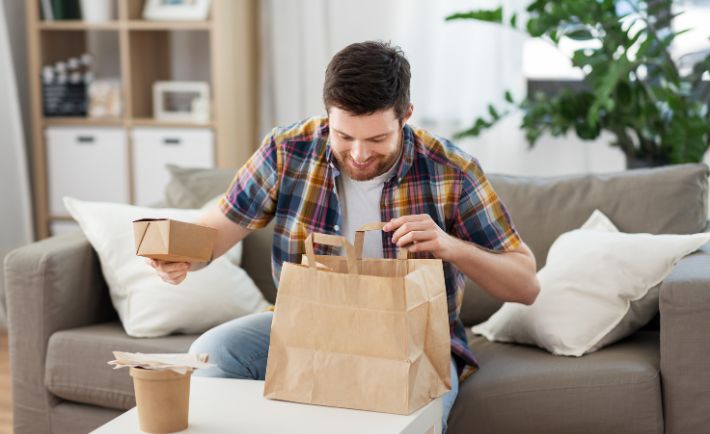
Restaurant delivery services have quickly become an expectation for diners. With the growing demand for quick and accessible meal delivery, restaurants are increasingly exploring this option to expand their customer base and boost revenue.
However, while the benefits are enticing, offering delivery services requires careful planning and smart decision-making. Here’s a list of things to consider before offering restaurant delivery.
Ensure Proper Staffing Needs
The foundation of any efficient delivery service starts with having the right team in place. Restaurants must decide between hiring in-house delivery drivers or partnering with third-party services like Uber Eats, Grubhub, or DoorDash. Each option comes with its own set of challenges and advantages.
If you choose to hire in-house drivers, you’ll retain full control over the customer experience and uphold your branding during delivery. However, this route requires recruiting, training, and maintaining reliable employees who understand the importance of punctuality and excellent service. Furthermore, you’ll need to account for employee wages, vehicle maintenance, and fuel costs.
Evaluate Insurance Coverage
Safety is nonnegotiable when starting a delivery service, and insurance coverage is a critical aspect to address early in the planning process. If you plan to employ in-house drivers, you will need to make sure both drivers and vehicles are adequately covered under a commercial auto insurance policy. This protects your business from accidents, injuries, or other issues arising during deliveries.
If you’re working with third-party services, insurance might be less of a concern since their drivers usually operate as independent contractors. However, make sure you carefully review the terms of service for liability coverage in case issues happen during delivery. Proper insurance will give peace of mind to your team and your customers.
Define an Effective Delivery Radius
Your delivery radius can make or break your service quality. A smaller radius ensures food arrives warm, fresh, and within a reasonable time frame, creating a positive customer experience. However, limiting your delivery area may exclude potential customers.
Deciding on the optimal delivery radius involves a careful analysis of travel time, traffic patterns, and your restaurant’s capacity to handle peak-hour demands. For example, if your restaurant is in a busy city center with high vehicular traffic, keeping your radius within two to three miles may work best. Balancing efficiency and customer reach is important as you expand your delivery services.
Adjust Your Menu for Success
Not every dish on your menu will lend itself to delivery. Before launching your service, evaluate which items can withstand the transit time without compromising quality. Delicate dishes may lose their appeal by the time they arrive at the customer’s door, while soups, sandwiches, and pasta often travel well.
Consider how the textures and temperatures of your dishes will hold up. For instance, crispy fries may arrive soggy, and some salads may wilt under excessive moisture. Eliminating menu items that don’t meet the delivery standard protects your brand reputation and ensures customers enjoy the same quality at home as they do in your restaurant.
Prioritize Packaging Solutions
One of the most overlooked elements of delivery logistics is packaging. Poor packaging can ruin your hard work in the kitchen, leading to messy, lukewarm meals and unhappy customers. Investing in high-quality take-out containers for hot and cold food items is imperative to keep dishes fresh, appetizing, and intact. Leak-proof lids, insulated containers, and compartmentalized boxes maintain food temperatures and prevent spills during transit.
Eco-friendly materials are also worth considering, as more consumers value sustainability. Choose packaging that doesn’t just get the job done but reflects your commitment to quality and environmental responsibility.
Integrate the Right Technology
Customer satisfaction begins long before dinner arrives and often hinges on the ordering process. Technology plays an instrumental role in streamlining operations and enhancing the user experience. A seamless online ordering system that’s intuitive and mobile-friendly will encourage repeat orders. Many options also support upselling tactics like suggesting add-ons or upgrades to boost order values.
Furthermore, offering real-time delivery tracking supports your initiative. Apps that allow customers to track their orders in real-time provide transparency and improve the overall experience. Investing in a dependable ordering and tracking system ensures smoother operations for your team and your customers.
Develop a Marketing Strategy
With your delivery service ready to launch, getting the word out is the next big step. Marketing efforts should focus on creating awareness, engaging your audience, and retaining customers. Promotions, such as limited-time discounts or free delivery for first orders, attract new customers, while loyalty programs encourage repeat business.
Social media advertising is another effective tool. Showcasing mouthwatering photos of your dishes alongside delivery-specific offers will drive interest and increase visibility. Highlighting unique points like quick delivery times or special menus designed specifically for takeout will further strengthen your marketing campaigns.
Conduct a Thorough Cost Analysis
Offering delivery services involves several associated costs, from packaging materials and staff wages to technology investments and potential service fees for third-party platforms. A detailed cost analysis will help you set realistic delivery fees that cover expenses while remaining competitive in your market.
Whether you charge a flat-rate delivery fee, incorporate it into menu prices, or offer free delivery with minimum purchases, transparency in pricing builds trust. Make sure your pricing aligns with your business objectives without deterring customers from taking advantage of this convenience.
Deliver Excellent Customer Service
Finally, maintaining exceptional customer service standards is essential to setting your delivery service apart. Start with a focus on clear communication, whether it’s accurately relaying order details, addressing special requests, or providing updates on delays. Encourage delivery staff to be polite and professional to create a positive impression that keeps customers coming back.
When mistakes happen—as they inevitably will in this industry—offering quick solutions like refunds or a complimentary dish can turn a negative experience into a positive one. The quality of your service is just as important as the quality of your food in achieving long-term customer loyalty. Offering restaurant delivery will help your business grow and attract new customers, but it takes careful consideration and execution to get it right. From recruiting the right team and choosing the best packaging solutions to integrating advanced technology, every small detail matters.